


Zooming In
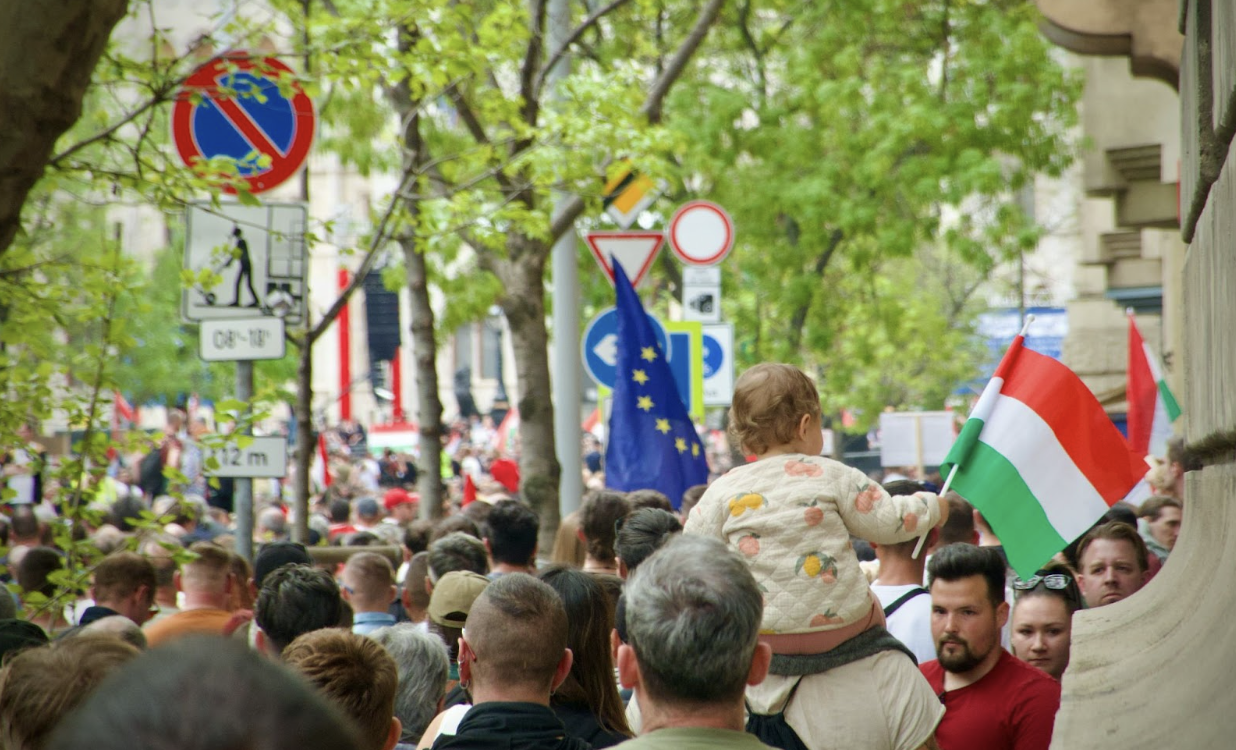
Hungary’s Presidency of the Council: a Confusing Six Months
By Flavia Faraone - 3 minutes read
Hungary’s turn at the rotating presidency of the Council of the EU ended on December 31st. With some constructive political strategies regarding EU enlargement, despite a questionable approach to diplomacy, , Orbán once again proved himself to be an unpredictable politician.
Sora AI could be the future of creativity, but Europe must wait
By Anni Rissanen. Read: 2 min 15 s
A revolutionary tool with limitless potential?
A ground-breaking invention from OpenAI, Sora AI, which enables people to create minute-long, very lifelike videos using simple text prompts, was launched on the 9th of December 2024. Its uses open up new creative opportunities in fields including marketing, education, entertainment, and more. Yet, despite its potential, this tool remains unavailable in the European Economic Area, Switzerland, and the UK due to the strict AI regulations that are set in place.
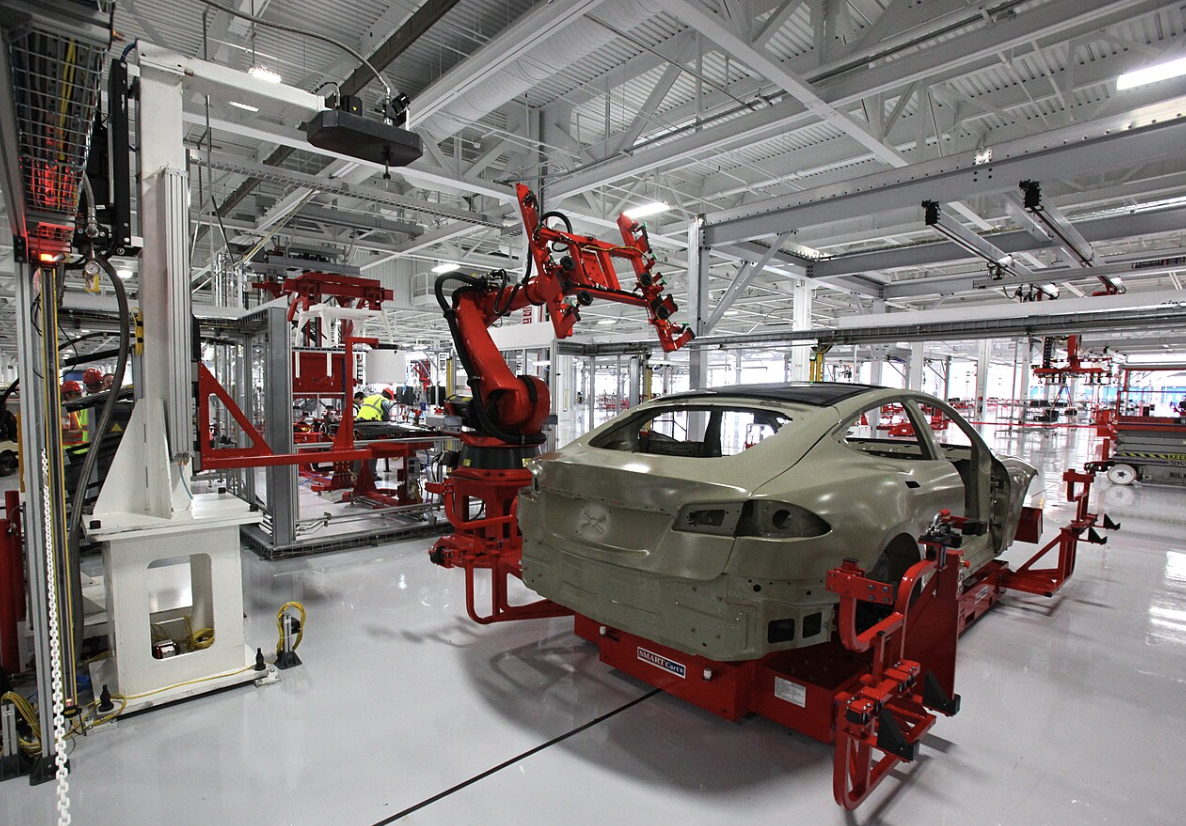
Supply Chain & Global Disruption: Why the EU Considers to Impose tariffs on Chinese EVs
By Federico Fo.
In September 2023 the EU announced its plans to impose a series of tariffs on Chinese Electric Vehicles (EVs) batteries, because of suspected use of unfair practices in production which bring other competitors to a disadvantage. The EU then began investigations over the presence of said practices, the result of which will determine whether the EU will be able to apply the tariffs.

Building a Digital Fortress: How the EU Cyber Resilience Act Strengthens Cybersecurity
By Gabriel Panza. Read: 3 minutes
The internet is an unpredictable ever-growing web, and Europe is building its own fortress to protect itself against cyber threats. The EU Cybersecurity Act of 2019 (CSA) was the first legislative catalyst to digitally protect Europe. The act created the EU Cyber Agency (ENISA) and created a certification system for secure digital products. Despite this, the CSA had some significant blind spots.
From Exploitation to Accountability: How the EU is Cracking Down on Corporate Bad Behaviour
By Dori Felber. Read: 2 min 12s
Have you ever wondered what happens to corporations, such as Shein, that have reported cases of child labour and exploitation of workers within their supply chains? The Directive on corporate sustainability due diligence (Directive 2024/1760) aims to combat exactly these issues by proposing legislation that aims to foster sustainable and responsible corporate behaviour throughout global value chains. According to this Directive, companies are required to identify and, if necessary, prevent, stop, or reduce the negative effects of their operations on the environment, such as pollution and biodiversity loss, and human rights, for example, child labour and worker exploitation. The proposal also lays out the duties of directors, including establishing due diligence, overseeing its implementation, and integrating it into the company's overarching plan. The corporate plan will act as an incentive for compliant directors who will receive variable compensation to assist in the fight against climate change.
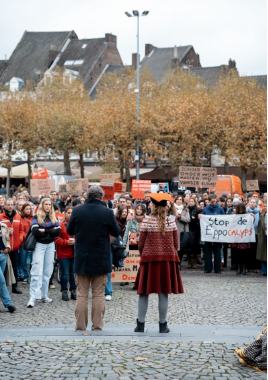
A Short Guide to Protesting
By Miruna-Antonia Aniculăesei. Read: 3 min 03s
When your education is threatened, you have the right to defend it. An example of this kind of resistance is the protest against university budget cuts that was supposed to take place on the 14th of November in Utrecht. Despite an unexpected turn of events, the students, teaching staff, along with other supporters of the cause managed to mobilise without clear guidance. As such, this article will explore the reasons behind the protest, the initial cancellation and the demonstrations held in Utrecht, Maastricht and, finally, The Hague.
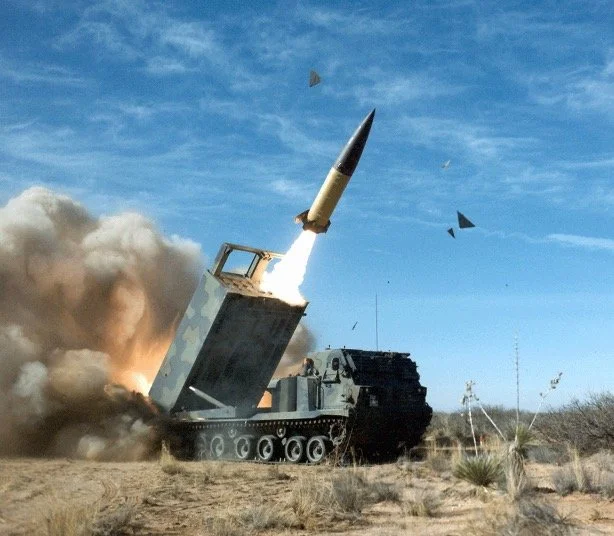
Good Morning, Moscow! Ukraine Strikes Back
By Margaux Baudry. Read: 2 min 20s
After nearly 3 years of War in Ukraine, the conflict just took a turn: Ukraine retaliated, and it involved the West. The West is not the first to have ‘taken part’ in the conflict- see the article on the deployment of more than 10, 000 North Korean troops to the border of Ukraine- although it is not taking things that far (yet). What happened? And what does this mean for the West?
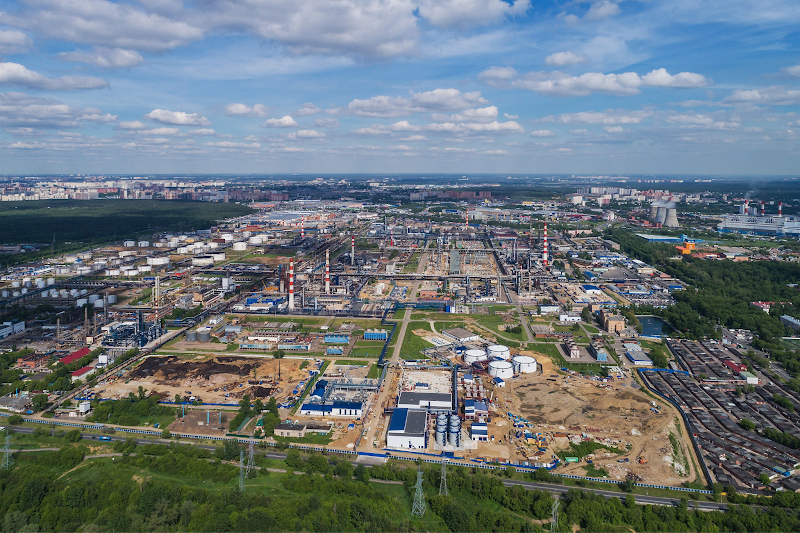
Hungary doing the right thing? It always comes with a price…
By Dori Felber. Read: 1 min 54 s
On June 3, 2022, the European Union Council adopted a sixth package of sanctions against Russia, which, over the course of the following six to eight months, gradually phased out the import of Russian oil and petroleum products. Although the import of gas is not restricted by this specific round of sanctions, government counsel cautions that "nothing is off the table." However, there is a temporary exemption for certain Member States, namely Hungary, the Czech Republic, and Slovakia, which will allow them to continue to import Russian oil via pipeline.
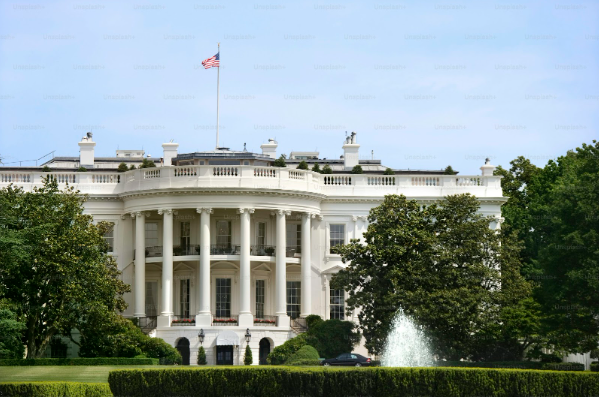
The Rather unusual picks for Health and Education Secretary
By Jakob Aufenberg. Read: 3 min 20 s
Although it may have appeared like that, a presidency is no one-man show!
Every aspiring leader of the free world needs to encounter loyal followers that will help him conduct daily business. Our current president-elect does not lose any time in doing so - and this led to some questionable appointments.
Check out this article to find out more about Wrestlers-turned politicians and TV-doctors governing a nation's medcare!
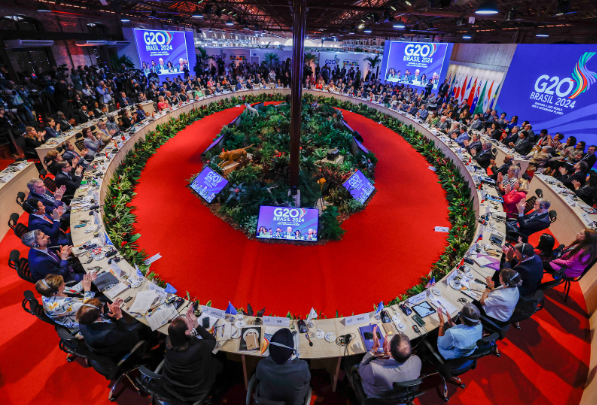
The G20 summit - communi(que)ation breakdown
By Ben Rosenbaum. Read: 3 min 30s
The G20 summit in Rio de Janeiro was overshadowed by global tensions, escalating crisis, diverging priorities and unsatisfied leaders. Under such circumstances, it is interesting that the summit produced any results at all. Even more interesting is that, on closer inspection, it hints at greater shifts in the global power structure.

Finland’s Budget Cuts Deepen Violence Crisis for Women
By Anni Rissanen. Read: 2 min 25 s
More than half of Finnish women have faced violence. How will government cuts to social services impact those most at risk?
Finland’s reputation as the “happiest country in the world” contrasts sharply with its troubling status as the EU’s second most dangerous country for women. Data from Eurostat shows that more than half of Finnish women have experienced physical or sexual violence, or threats. In 2023, 12.300 cases of intimate relationship and domestic violence were reported to the police, which was an increase of 5.3% from the year before. This indicates that the violence is on the rise.
What’s fueling this rise, and how will the government’s decisions impact those most in need of support?
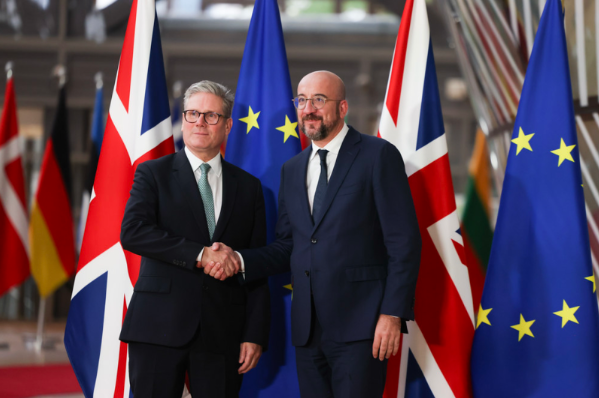
The UK’s reset with Europe - A tale of diverging priorities
By Ben Rosenbaum.
Read: 4min and 50s
On 4 July 2024, the British Labour Party won a landslide victory in the general election, ending 14 years of Conservative Party rule. The new prime minister, Sir Keir Starmer, had pledged as part of his party’s manifesto a reset in relations between the United Kingdom and the European Union based on removing barriers to trade, but made it clear that Labour was not seeking to rejoin the EU. Debating a re-entry into the EU would bring “turmoil”, Keir Starmer said after taking office.
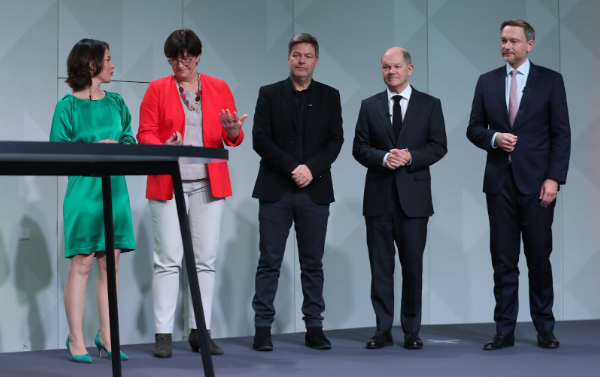
Dead Stop: The end of German traffic light government
By Anna-Magdalena Glockzin, 3 minutes.
The 6th of November 2024 was a memorable day. Not only was there the result of the elections in the United States of America (USA), which Donald Trump won by a land-slide victory, but also the break-up of the German traffic light government. In the evening of that day, the German Chancellor Olaf Scholz (Social Democrats) made headlines when he announced that he fired his finance minister Christian Lindner (Liberals). This meant that the traffic light government had failed, leaving Germany in an uncertain state in times of crisis and global threats. Scholz addressed the nation in a press conference in the late evening of the 6th of November, stating that he “would have liked to have spared [the people] this difficult decision” and that he was aiming for new elections in January 2025.
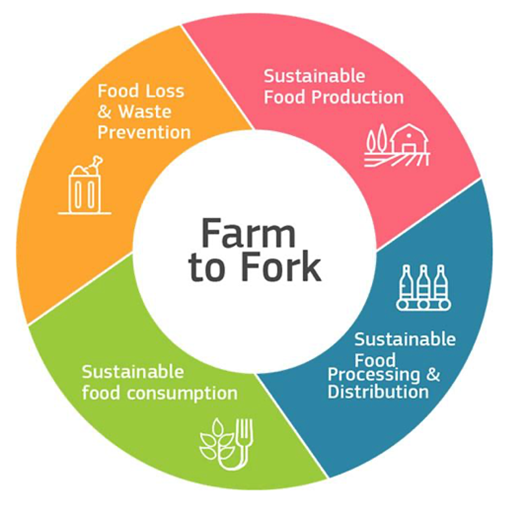
Will the EU’s Farm to Fork Strategy Save the Planet- or will it starve Europe?
by Margaux Baudry
The EU’s efforts to find ways to tackle environmental and climate change issues have been recognized and are highly necessary.
The European Commission launched the Farm-to-Fork Strategy as part of the Green Deal in 2019. It aims at healthy, eco-friendly and fair food systems; and faces challenges such as reducing the food industry’s environmental impact, adapting to climate change and promoting organic food production.
In our time of need for solutions, we may question: are these ambitious regulations achievable? Will they save the planet, or starve Europe?
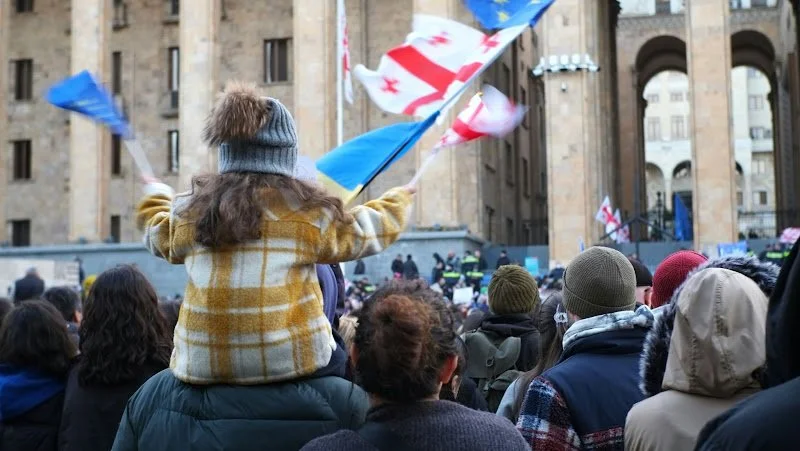
Georgia’s accession to the EU: it’s over (for now)
By Flavia Faraone
Georgia was granted “candidate status” by the European Commission in 2023. However, an authoritarian turn by its leading party over the summer has led all negotiations to a halt. Recently, allegations of rigged elections financed by Russia have seemingly pushed the EU even farther away from the country. Where does this leave Georgia’s educated, Europe-minded youth?
America First again, but what about Europe?
It’s done, it’s over. America voiced its will and appointed Donald J. Trump as president-elect. The country spoke out loud and its echo will resonate globally. Although mourning for a desired Harris-presidency may be tempting, Europeans cannot distract themselves by wishful thinking. Leaving aside awe and fear, it is mandatory to subject these developments and their implications to analysis.
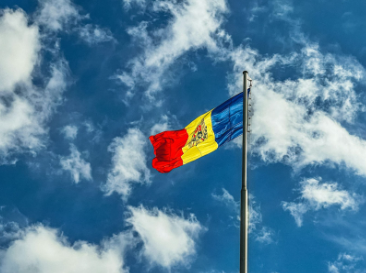
The Key to Moldova’s European Future
By Miruna-Antonia Aniculăesei. Read: 3 minutes 25 seconds
After its recent referendum that would affect its accession to the European Union (EU) and presidential elections, we can ask the Republic of Moldova what freedom feels like. Recently, on the 20th of October and, respectively, on the 3rd of November, the Moldavian citizens had the opportunity to vote for their country’s European future. Russia, their controlling neighbour, has tried to modify the outcome of these two events in accordance with their interest. This article will explore the results of the aforementioned events, as well as Russia’s reaction and intervention.
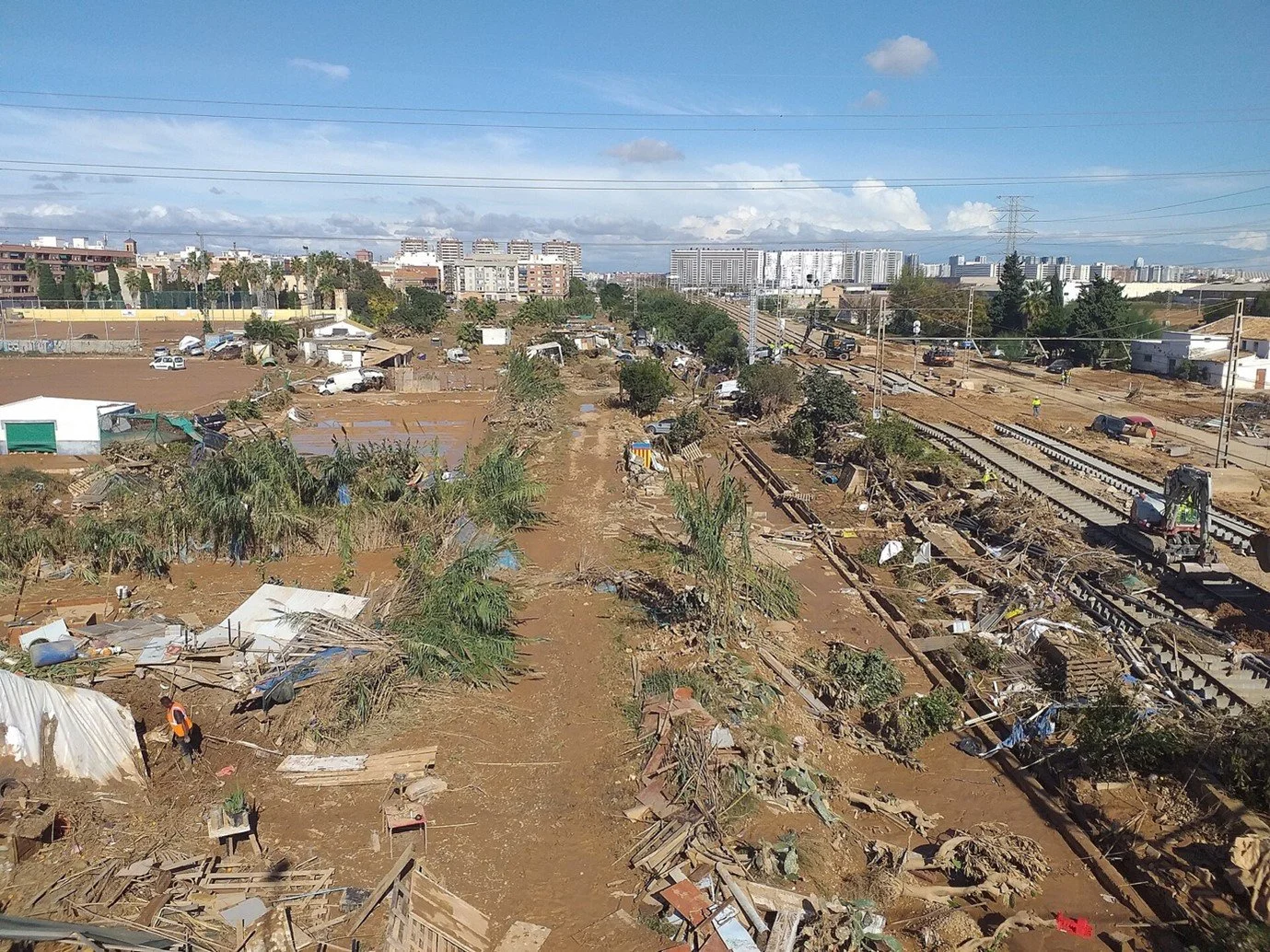
The Tragedy of the Spanish Valencian Floods
By Gabriel Panza
In just 8 hours, the Spanish Valencia province received the equivalent of a year’s worth of rain, leading to one of the most disastrous Spanish Floods in history. In recent days, more than 200 lives were claimed in the sudden catastrophic floods in Spain, with most of the damage being caused due to a lack of emergency warnings and enforcement of emergency protocol. As the raging water continued deeper into the Spanish region, cars were swept away, and bridges collapsed from the immense pressure. Storms formed over the Margo and Turia river basins, and in the Poyo canal, all of which led to an enormous accumulation of water that overflowed the riverbanks. Within mere hours, muddy water began filling civilians' roads, railways, and houses.
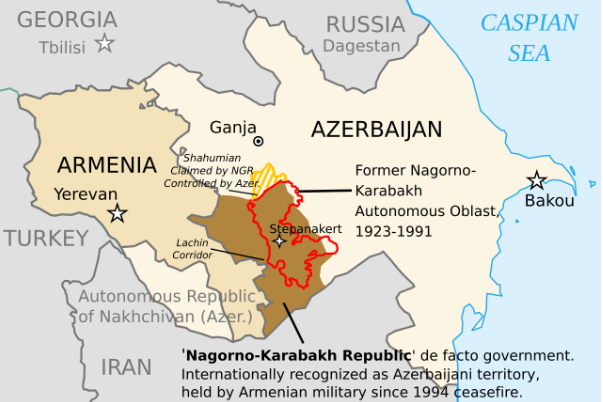
From Russia to Europe: The New Armenian Diplomatic Landscape
Read: 6 minutes, 26 seconds
Armenia has recently improved its diplomatic ties with the European Union, getting closer to the EU's positions in the sphere of world politics. This fact may be seen as surprising, since Armenia has been historically a country under strong Russian influence. For example, Armenia still today is a member of the Collective Security Treaty Organization (CSTO), a sort of alliance led by Russia. In addition, Armenia has especially in the past relied on Russian protection and help to contrast external threats. This has occurred to the extent that Armenia has permitted Russian military infrastructures and soldiers to be stationed on its territory. Nevertheless, since the Velvet Revolution of 2018, which ousted pro-Moscow forces from the Armenian government, the country has slowly started a process of “cleansing” from Russian influence. The political consequence of this was Armenia’s progressive alignment with other powers usually considered rivals of the Russian Federation, such as the EU and the US. This article intends to explore the motivations behind this switch of allies by Armenia and what this has entailed until now.
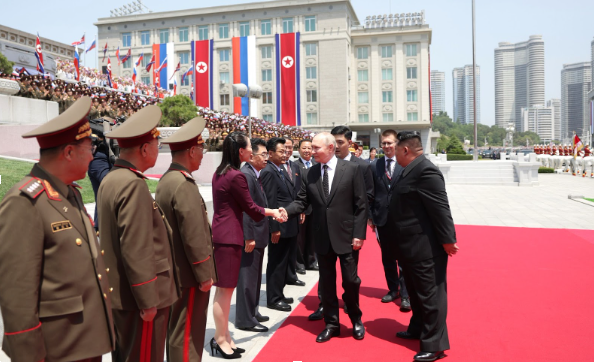
Desperation or Deliberate Escalation? North Korean Soldiers in the Ukraine War
6 mins - by Anna-Magdalena Glockzin
First rumours about potential North Korean troops being shipped to Russia in order to be later deployed in the war against Ukraine hit the news about four weeks ago. At that time, there were hardly any public reactions to this piece of information because Western leaders wanted to wait for verification of these claims by intelligence services. Russia and North Korea demented the accusations, calling it “another hoax” (Russia) and “groundless, stereotype rumours” (North Korea). However, it was later confirmed by various intelligence agencies that indeed about 10,000 North Korean troops have been shipped to Russia with the plan of training them, and subsequently deploying them in the Ukraine war. This raises the question of the motives behind Russian President Vladimir Putin’s decision and what it means for Ukraine. Moreover, since the European Union (EU) is a strong supporter of Ukraine with regard to military and economic aid, what are the implications of this development for the EU itself and its actions towards Ukraine?