
Legislation Up Close
This category focuses on EU law. It offers an analysis of the Treaties, key Directives and Regulations that are already in force but also presents brand new initiatives and legislative proposals.
Featured












This category focuses on EU law. It offers an analysis of the Treaties, key Directives and Regulations that are already in force but also presents brand new initiatives and legislative proposals.

Written by: Lavinia Tacke
Reading time: 4 minutes
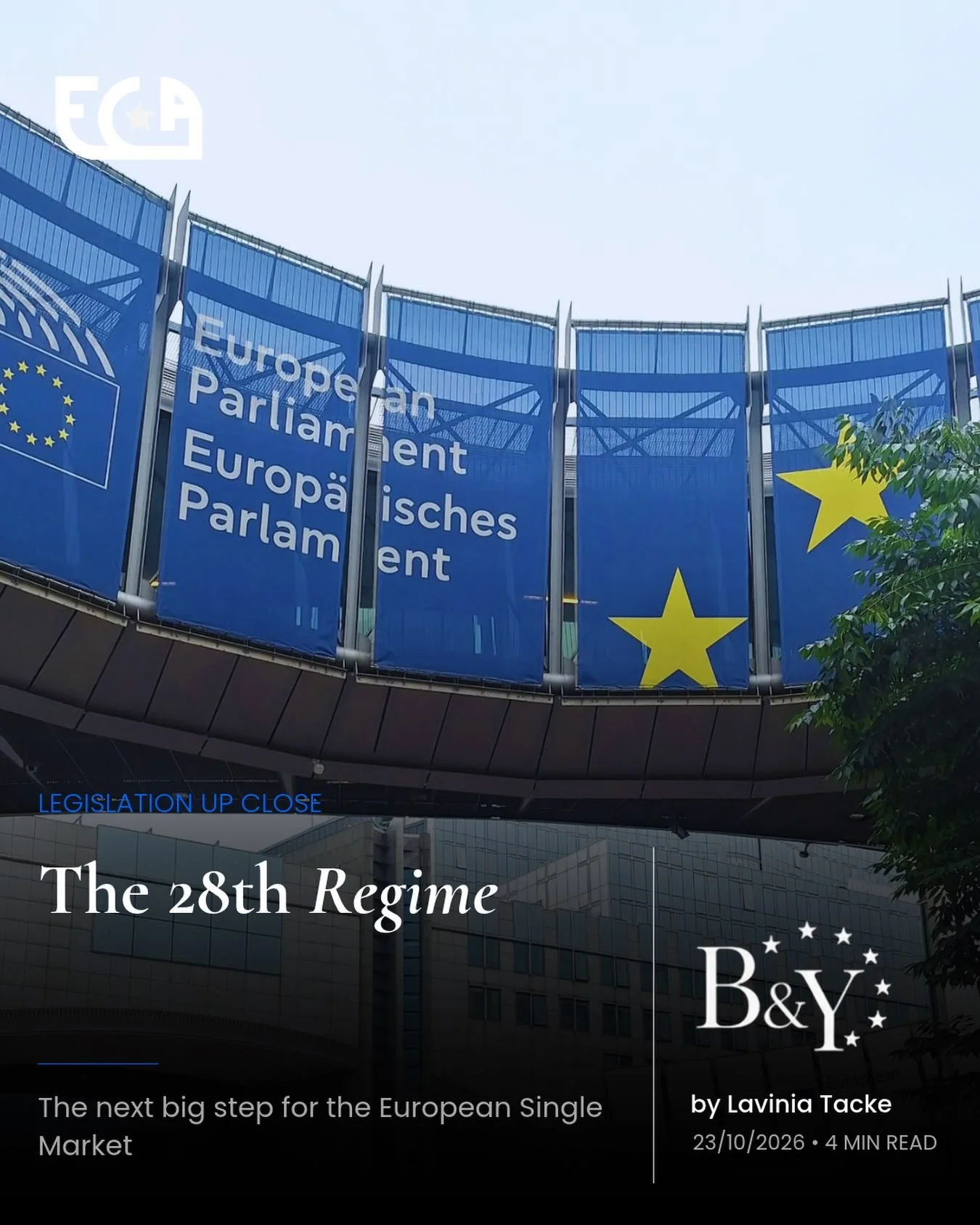
We have a Single Market in the European Economic Area, so starting an Europe-wide business should be very easy, should it not?
Well, it can be argued that since every Member State has their own legal framework for building a business, this is not yet quite true. However, the EU is now aiming to reform this very aspect with an EU-wide corporate legal framework, known as EU Inc. This would constitute another option to build a business in the EU alongside the currently existing national legal frameworks in all 27 Member States.
Written by: Antonio Manuel Torres García
Reading time: 5 minutes
Imagine every message you send being read by someone else. Would you accept that if it meant combating the spread of child sexual abuse material (CSAM)? This question, at the centre of a crossroads between child protection and your own privacy, has become increasingly relevant during July 2026. While this is not necessarily breaking news (given its long trajectory), the debate has been fiercely reignited for those who care about either cause and closely follow EU legislative developments. And not in vain.
On 9 July 2026, the European Parliament failed to reject, at second reading, a Council text commonly known as Chat Control 1.0. The Council has since given its final approval, confirming the text on 23 July 2026. In a nutshell, this means that until 3 April 2028, certain providers of number-independent interpersonal communication services (think webmail, messaging platforms, some apps) will be able to voluntarily scan content and traffic data in search of CSAM with the purpose of reporting it. This article will help you understand the context behind the law and the conundrum this question poses.
Written by Anneke Pelzer
Reading time: 5 minutes
Space surrounds us constantly. It is what we look up to when wishing on a shooting star, what has guided generations of sailors, and what is likely to become a battleground for global powers in the upcoming century. Contrary to expectations, few regulations and agreements exist to guide states’ actions in space.
The disagreements begin with the very definition of space. To decide where space starts, one must first point out where the world ends. Generally, two different points are considered to define the end of our atmosphere, as different actors refer to the thermosphere or the exosphere. NASA and the US Army define space to begin 80 kilometres above Earth, where the thermosphere ends. However, other actors and scientists, such as the Federation Aeronautique Internationale (FAI) or the United Nations, consider the exosphere at 100 kilometres above Earth to be the starting point of space.
By: Antonio Manuel Torres García
Everybody remembers the Draghi Report. After all, it sparked a serious debate over the EU’s competitive capacity vis-à-vis the wider world, and the ripple waves it generated are still very much omnipresent in the EU institutions, notably through the European Commission’s subsequent simplification agenda. While one could flag the Commission’s action as “incomplete”, that alone does not render the expansive effects of the renewed simplification efforts insufficient. And, in fact, it is anything but simple. In particular, areas where the EU is considered a trailblazer, such as in environmental (and the many collateral) legislation, these Omnibus packages, which breathe life into Draghi’s ideas, may hide what has been labelled as “deregulation”.
With the growing threat of global warming, sustainability and the protection of Earth’s environment remain central not only to the EU but also to the whole world. The law adopts an interesting position in this conflict. Specifically, the law must balance economic efficiency with sustainable practices. For instance, in the field of private law, sustainability has been increasingly gaining attention. To offer perspective on this topic, Bram Akkermans, a professor at Maastricht University and an expert in Sustainable Property law, shared his expertise with us.
By: Dori Febler, Read Time: 4 Min
Luxembourg has firmly established itself as the leading investment fund domicile in Europe and one of the largest in the world, attracting global asset managers and investors. Its continued expansion highlights the interaction between commercial strategy, EU law, and regulatory implementation, making this sector legally and commercially significant for lawyers practising in corporate, finance, and regulatory fields.
By: Dori Febler, Read Time: 3 Min
The European Union faces growing pressure to ensure that consumers can resolve disputes fairly and efficiently in an increasingly digital and borderless marketplace. The proliferation of digital services, online transactions, and cross-border purchases has made it difficult for traditional redress methods to keep up with economic and technological advancements. Once hailed as a practical link between consumers and justice, Alternative Dispute Resolution (ADR) is currently at a turning point. The EU's upcoming ADR framework reform is an ambitious attempt to adjust to a data-driven, global economy while also acknowledging past errors. In light of this, the European Commission's legislative push is part of a larger attempt to restore consumer confidence and regulatory relevance in the digital era, rather than merely updating existing policies.
By: Antonio Manuel Torres García
The European Union (EU) is oftentimes viewed as an entity that works for the betterment of its members, and while this is largely true, taking into consideration its objectives, values, competences, and means of action, it is nonetheless a narrow view of the wider action the EU undertakes in a more general scene. The position the EU takes when engaging with foreign agents varies according to mutual interests, feasibility, likelihood, and overall net benefit on both sides. But while trade agreements and economic partnership agreements (EPAs) fall within the external action competences the EU enjoys and tend to take the spotlight, they are not the only scenarios in which the EU engages with other states. Separate from the nascent state of a common European defence policy, which represents another facet of the EU action with external effects, European strategies like the Global Gateway mount up to projects comprising initiatives with the aim of tackling the world’s most pressing global challenges; a project that unavoidably carries an explicit “global” approach.
By: Antonio Manuel Torres García
The European Union (EU) is oftentimes viewed as an entity that works for the betterment of its members, and while this is largely true, taking into consideration its objectives, values, competences, and means of action, it is nonetheless a narrow view of the wider action the EU undertakes in a more general scene. The position the EU takes when engaging with foreign agents varies according to mutual interests, feasibility, likelihood, and overall net benefit on both sides. But while trade agreements and economic partnership agreements (EPAs) fall within the external action competences the EU enjoys and tend to take the spotlight, they are not the only scenarios in which the EU engages with other states. Separate from the nascent state of a common European defence policy, which represents another facet of the EU action with external effects, European strategies like the Global Gateway mount up to projects comprising initiatives with the aim of tackling the world’s most pressing global challenges; a project that unavoidably carries an explicit “global” approach.
By: Anneke Pelzer, Reading time: 4 min
When Greta Thunberg stood up at the podium at the UN Climate Action Summit in 2018 and spoke her famous words „How dare you?“ over and over again, she was trying to get the world’s political elite to take action against mankind’s greatest threat, climate change. Today, in 2025, frustratingly little progress has been made. Instead, it seems like other problems and crises have always been more important. The covid pandemic and the Russian invasion of Ukraine have both challenged European economies unexpectedly, which has led to the postponing of efficient measures to lower the European Union’s (EU) greenhouse gas emissions. Existing goals like the EU becoming climate-neutral by 2050 or the 2015 Paris Treaty limiting global warming to 1.5 degrees celsius get increasingly unreachable as more time without action passes. In the present day, European member states’ worries mostly revolve around protection of Europes’ borders, which has caused military spending to have reached a new high in the EU. With rearmament’s new importance, the question arises as to how the EU wants to include its new focus on military advances in its climate goals.
By: Dori Felber, reading time: 4 minutes, 58 seconds
Ensuring balanced representation on corporate boards has moved from a mere social objective to a legal and governance priority across the EU. On 17 October 2022, the Council adopted its final text on gender balance in the corporate boards of listed companies (Directive 2022/238). How did this Directive impact corporate governance? In order to answer such a question, it is first necessary to outline what the Directive entails: its objectives, policy background and scope. Only then can we meaningfully assess its legal and practical implications for corporate governance across Member States.
By Aurora Dagnino, reading time: 5 minutes and 45 seconds
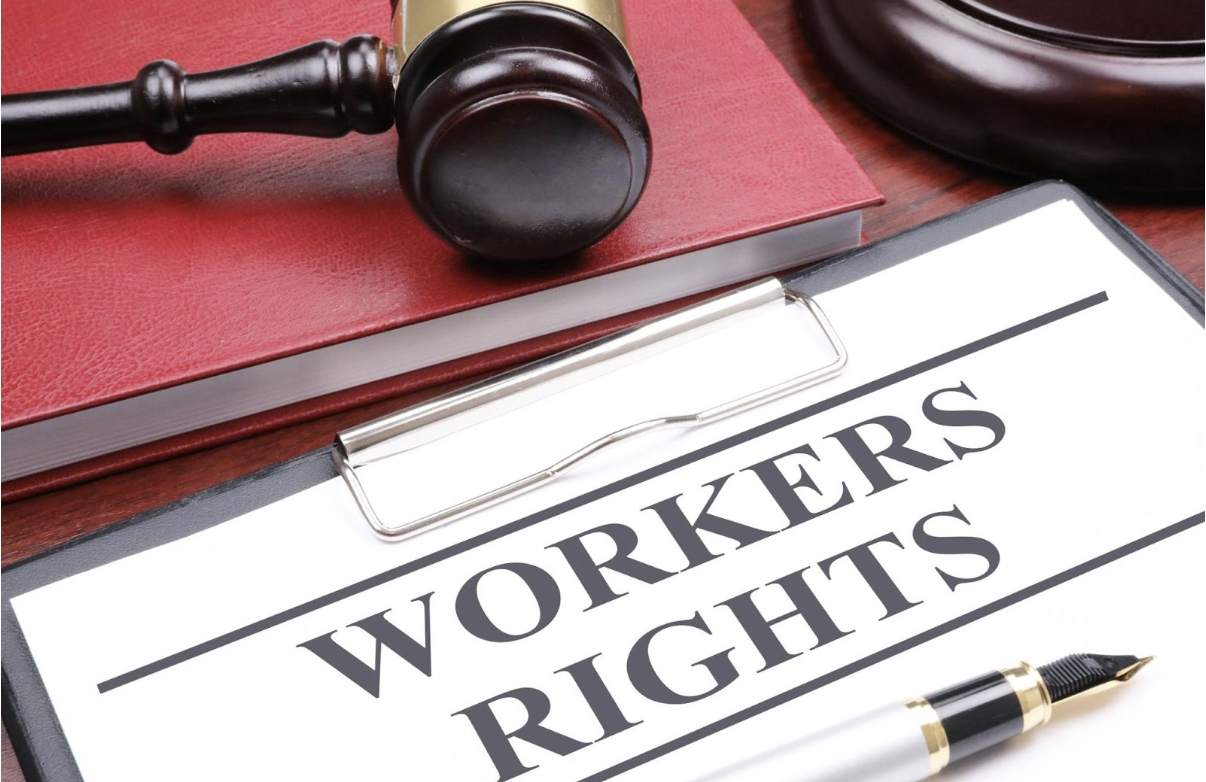
Greece's parliament approved a few weeks ago a contested labour bill that would allow 13-hour workdays, despite strong opposition from labour unions, opposition lawmakers, and civil society groups, all of whom argued that the measure undermines worker protections. Two nationwide strikes were held in the space of two weeks from early October, paralyzing the country. In both Athens and Thessaloniki, transportation networks were shut down, while hospital staff, teachers and other civil servants stopped working.
By Anna-Magdalena Glockzin, 5 minutes.
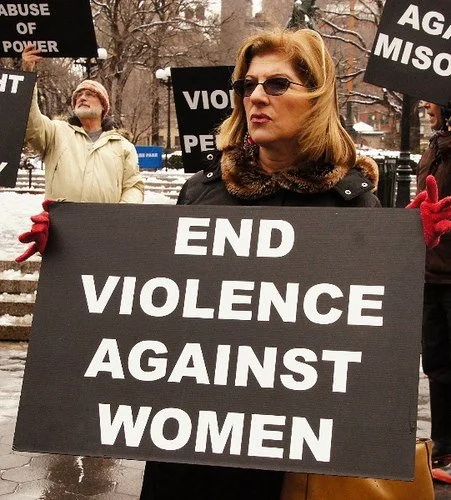
In July 2019, an 18-year-old British woman went to the Cypriot police, and told them, that she had been raped by a group of 12 Israeli men in Ayia Nap. The Cypriot authorities questioned her for hours without legal assistance, which subsequently led her to withdraw these allegations. The woman later stated that she was pressured to comply and had to sign a waiver, which was drafted by Cypriot detectives. In the following proceedings, the Cypriot authorities found her guilty of lying about the gang rape attack, convicted her of causing public mischief, and issued a suspended sentence of four months. With the help of the human rights group Justice Abroad, the woman appealed to the Court of final instance, the Supreme Court of Cyprus, which overturned the verdict. It found that the woman did not receive a fair trial. The authorities, however, never admitted to any wrongdoings. This case caused outrage among women’s rights activists, who argued that the woman was treated as the offender rather than the victim.
By Anni Rissanen. Read: 1 min 54 s
The European Commission has decided to withdraw a key proposal that would have made it easier to hold companies accountable for AI-related harm. Some say it is a win for innovation, while others warn it creates a legal mess. What happens next for AI regulation in Europe?
Gisele Pélicot is a survivor of a series of rape, orchestrated by her husband Dominique Pélicot. Over a period of 9 years (July 2011 to October 2020) Gisele Pélicot was repeatedly raped by her husband and individuals who he would invite, whilst she was drugged and unconscious. In total, Gisele Pélicot was raped 92 times by 72 men, as her husband filmed the abuse. These horrific acts came to light when Dominique Pélicot was arrested by the police for taking upskirt photographs of women in supermarkets. The police discovered thousands of images and videos that Pélicot had taken of the rapes and stored on his computing equipment. Pélicot is further accused of training Jean-Pierre Maréchal on how to drug and rape his own wife.
By Dori Felber. Read: 3 minutes 42 seconds
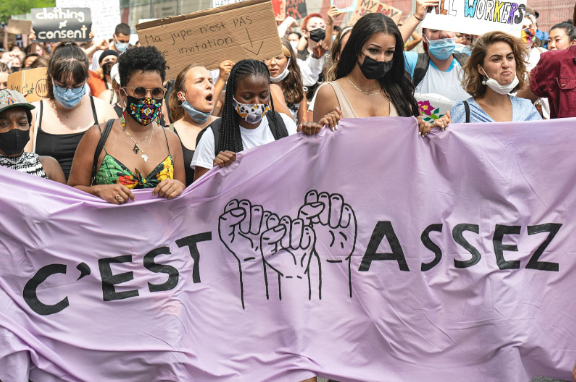
Time to redefine the outdated definition of rape in France? As the horrific testimony of Gisele Pélicot unfolds, many have argued for a redefinition of rape in France. This specifically followed after lawyer Guillaume de Palma, who is defending 6 of the accused, argued that “In France proof of intent is required” in order for it to qualify as rape.
Gisele Pélicot is a survivor of a series of rape, orchestrated by her husband Dominique Pélicot. Over a period of 9 years (July 2011 to October 2020) Gisele Pélicot was repeatedly raped by her husband and individuals who he would invite, whilst she was drugged and unconscious. In total, Gisele Pélicot was raped 92 times by 72 men, as her husband filmed the abuse. These horrific acts came to light when Dominique Pélicot was arrested by the police for taking upskirt photographs of women in supermarkets. The police discovered thousands of images and videos that Pélicot had taken of the rapes and stored on his computing equipment. Pélicot is further accused of training Jean-Pierre Maréchal on how to drug and rape his own wife.
By Yana Chakarova, 7 minutes.
On the 27th of February 2024 the European Parliament adopted a number of revolutionary environmental measures enshrined in the Environmental Crimes Directive that penalized environmental crimes much more stringently compared to the past. The Greens/EFA Group from the European Parliament called for the establishment of a serious criminal liability in the case of destruction or widespread and substantial damage which is long-lasting or irreversible to an ecosystem, a habitat or the quality of air, soil or water. More specifically, the MEP of the Greens/EFA Group stated that:
By Felix Kraft, 5 minutes. Global warming forces Europe to rethink its industrial production and sets national decision-makers before a legislative paradox. Meanwhile, Brussels has come up with a controversial solution that has the potential to either harmonise or rip apart the world’s entire supply chain network.
By Ilaria Settembrini, 9 minutes. I bet you did not know it. Fair enough. Still, the warming of the Mediterranean Sea is one of the fastest in the world and requires fruitful engagement by the EU. As an essential and historically contentious resource, water can offer Brussels new pathways for intergovernmental cooperation with the southern shores.
Beatriz Santos Mayo, 6 minutes. Did you know that eating fast food products inside the EU is healthier than eating them elsewhere? Did you know some food additives have been restricted in the EU due to potential health risks? The European Food Safety Authority seeks to protect the food chain from the farm to the table and banned everything that may imply a risk to European Citizens.
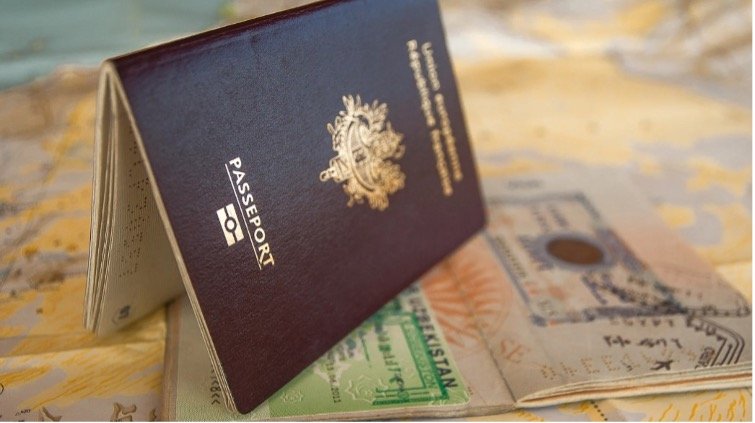
By Eleonora Pizzini, 8,5 minutes. Maastricht is a city full of international students from all over Europe and the whole world. You may have friends coming from the most unusual places and have discovered new countries thanks to them, but have you ever heard about Golden Passports or Golden Visas? These two procedures are common in many states, among which some are Member States of the European Union, and have recently been highly criticised.
By Beatriz Santos Mayo, 5 minutes. Do you normally use Facebook, Instagram, or Whatsapp? Have you ever read the terms and conditions of these gatekeepers? Do you know what the EU is doing to protect your data? The new two legislative acts, Digital Service Act and the Digital Markets act are the new two legislations that, form part of the “A Europe fit for the digital age” regulatory project that manages the digital regulatory landscape.
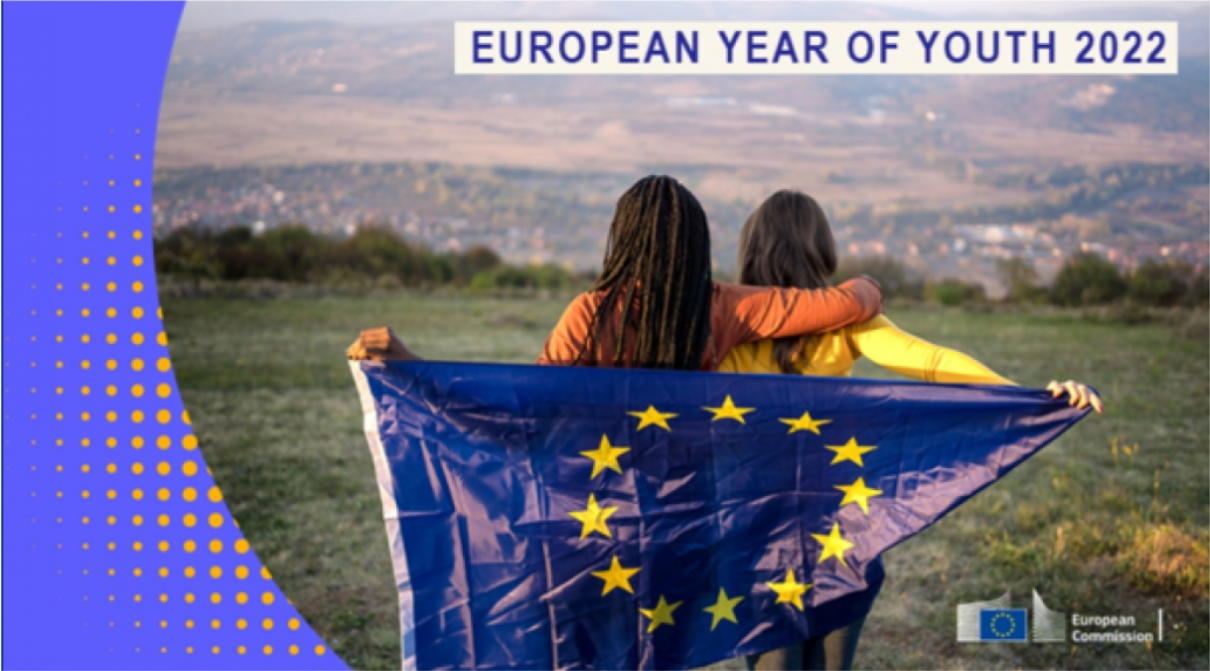
By Leonie Kluver, 5 minutes. Do you know that 2022 is the European Year of Youth? Have you ever participated in or benefited from an EU initiative specifically supporting the European youth? For example, the Erasmus+ program? Are you curious about the European Year of Youth and maybe how you can get involved? This article discusses what it is, why it was founded, and how you can participate!
By Aari Helmelaid, 7 minutes. The EU Member States are often praised for their respect for democracy and human rights, but recent trends demonstrate that media freedom in the EU is under threat and the journalistic profession is no longer as simple, stable, or safe. Lack of transparency, threats of violence or murder, draconian laws toward the press, censorship, and cybersecurity risks are only the tip of the iceberg of the tough barriers that journalists and media companies face in their everyday operations. Read the article to find out how the EU is tackling the decline of press operations in the member states, and what to expect from the upcoming Media Freedom Act in 2022.
By Aydın Clara Orberk, 13 minutes. You may have heard about the European Green Deal (EGD), Europe’s roadmap to climate neutrality by 2050. How is this climate neutrality to be achieved? This article entails updates about measures being taken. A set of proposals aims to make the industry of products more sustainable and circular. Some measures concern the textile industry, specifically - why is this so important? Check the article to find out more!
By Jeanne Gallien, 7 minutes. Everyone is aware of their nationality, but how many Europeans are actually aware of their EU citizenship? And the rights that follow it? This article aims to inform young people about their rights given by European citizenship in higher education, which may encourage them to consider a period of study abroad. For this reason, it will solely focus on EU nationals and not on third-country nationals.
By Federico Durante, 7 minutes. The EU has the largest market in the world, which gives it immense regulatory power. Decisions related to products and services taken by the EU have repercussions in other jurisdictions. The AI Act shows how the EU, by simply regulating its internal market, can (in some sectors) affect the distribution of power in international geopolitical conflicts, and defend itself from actors that want to disrupt our European sovereignty. Read the article to know more about the AI Act and its influence on data protection and privacy.
By Lucrezia Nicosia, 7 minutes. This article aims at explaining how the European Union guarantees the protection of human rights of its citizens/residents; this will be done by explaining the scope and content of the EU Charter, its similarities with the ECHR, and the main bodies involved in the framework.
By Erik Schmidt-Bergemann, 5 minutes. Every seven years the EU needs to pass a new budget. The last Multiannual Financial Framework (MFF) was passed in 2020 and the new budget will run from 2021 till 2027. This article will explain what the budget entails and how the policy-making process works.


This project is partly made possible by SWOL- Universiteitsfonds Limburg