

Author: Lavinia Tacke
Reading time: 7 mins
Source: Antoine Schibler / Unsplash (2022).
Since the last EU accession in 2013, when Croatia joined the European Union, many years have passed without major enlargement processes. Now, the European Commission has adopted its yearly Enlargement Package, which demonstrates substantial reforms. The 2026 package is especially relevant, as it sets out clear roadmaps with “concrete milestones and targets” for Albania, Moldova, Montenegro, and Ukraine on their paths to EU membership. According to the Commission, these four countries proceed in their accession paths at an “unprecedented pace”. This year’s package is therefore a clear demonstration of commitment to enlargement, and it concretizes the steps for a potentially upcoming growth of the European Union. Let’s unravel where the countries are in the process!
Not a simple casting - How does a country become an EU member state?
The process of becoming an EU country might sound relatively simple, since it has only three major steps, but it can take a while. When a country wishes to join the European Union, it must formally apply to the Council of the EU, which then forwards the application to the Commission to check the country’s application of the Copenhagen criteria. After receiving a recommendation from the Commission, the Council then decides whether to grant the country candidate status. Which sounds simple is often a hustle since this decision must be made unanimously, meaning all 27 Member States agree.
If that is done, it is up to the candidate country to prepare the implementation of EU laws, the acquis communautaire. During this process, the Commission acts as a monitor of the country’s process and reports back to the Council and the European Parliament. This is where the enlargement packages come into play.
In the final step, the Commission gives a final opinion on the readiness of the candidate country to accede to the EU. Only then can an accession treaty be prepared, which must then be approved by the Commission, the European Council and the Parliament, as well as “signed and ratified by all EU Member States” and the acceding country. So it’s a long way to get from being a candidate to becoming an EU Member State.
What are the current candidate countries? Let’s have a look!
Albania:
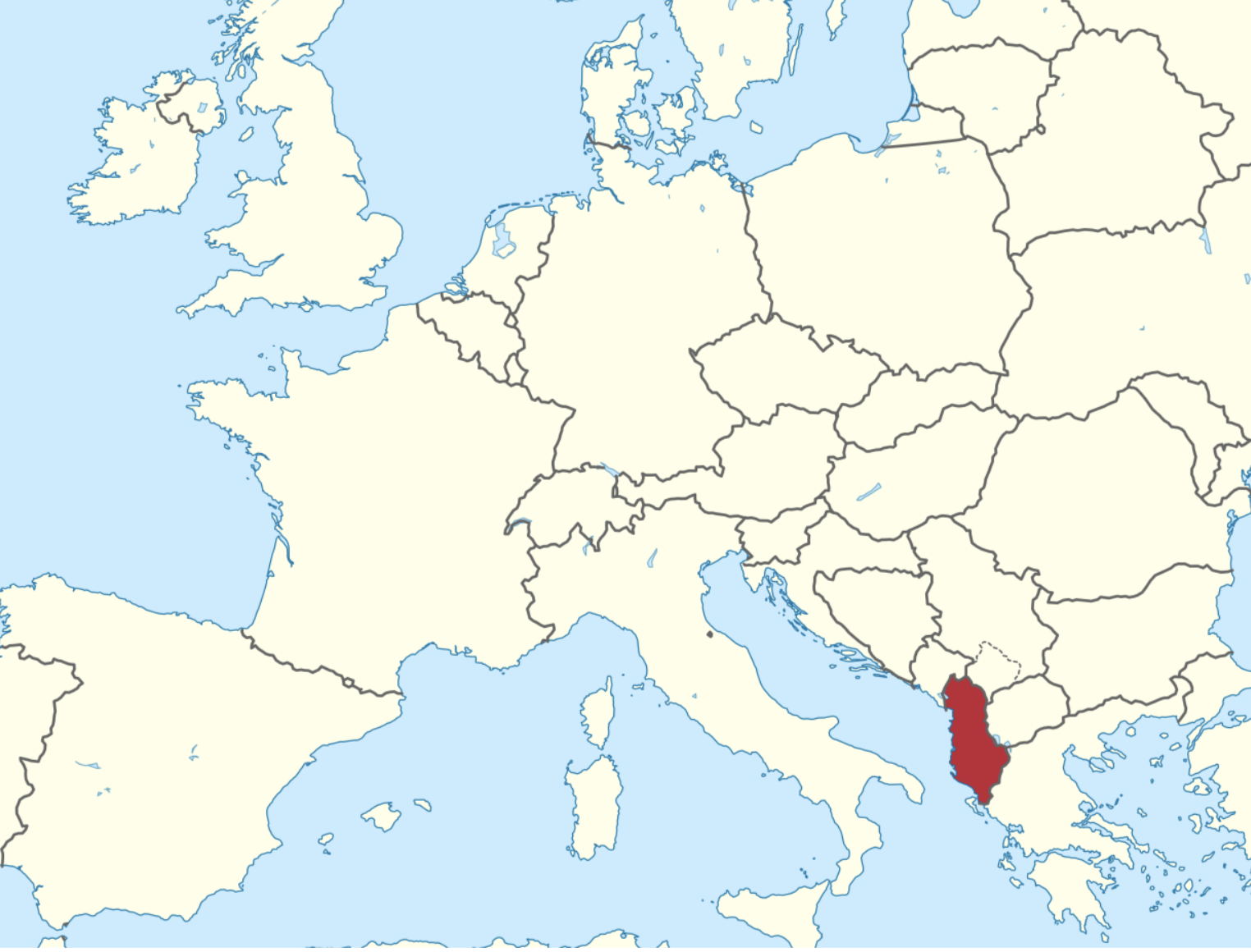
Map: TUBS / Wikimedia Commons (2011), CC BY-SA 3.0.
Candidate since 2014, accession negotiations since July 2022
Albania is currently in accession negotiations and just recently presented its Reform Agenda under which the country is hoped to further align with EU standards in areas such as “digital and green transition, human capital development, and rule of law”. To support Albania with this transformation, the EU has released €212.8 million of EU funds to Albania.
It is important to mention that Albania is already a partner of the EU in terms of Security and Defence, after both parties adopted the Security and Defence Partnership in 2024. Also, regarding society, Albania and the EU are taking big steps towards each other. Since 2010, Albanians can travel to the EU without a visa, and young people benefit especially because Albania is also already part of the ERASMUS+ program.
Nevertheless, the Commission stated earlier this year that Albania’s fast-paced run towards membership had slackened. Reasons for this are the recent protests in Albania and the consequent political instability. In 2025 and 2026, anti-government protests have spread across the country and have turned increasingly violent. In a statement, the Commission condemned the violence and called for the rule of law.
Moldova:
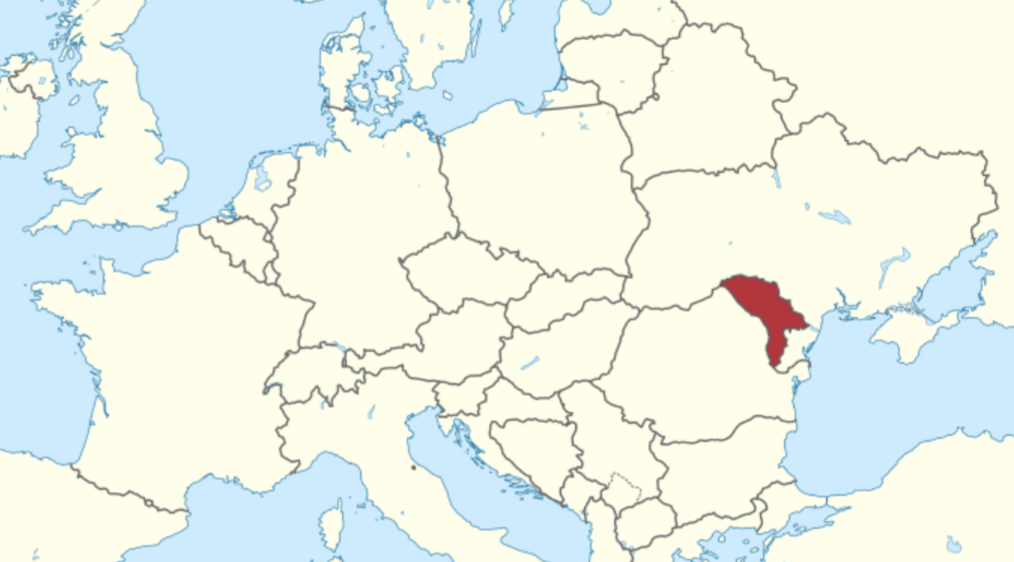
Map: TUBS / Wikimedia Commons (2011), CC BY-SA 3.0.
Candidate country since 2022, accession negotiations since 2024
Similar to Albania, Moldova is also on a good track to accession to the EU. From 2021 until 2025, the former Soviet country has received over €1.2 billion in EU grants, supporting especially Moldova's “energy security and clean energy transition”, the rule of law, and a more environmentally sustainable economy. Already now, Moldova's biggest trading partner is the EU, making use of the “Deep and Comprehensive Free Trade Area”. Also concerning Security and Defence, Moldova and the EU share a close bond, since they signed a Security and Defence Partnership in 2024. And last but not least, Moldovans can travel visa-free to the EU, make use of the ERASMUS+ program as well as the “roam like home” initiative.
As Moldova is a former Soviet country, it still has ties to Russia and has long been dependent on Russian energy. This led to a major energy and inflation crisis in 2025, during which the EU stepped in as a supporting party.
Montenegro:
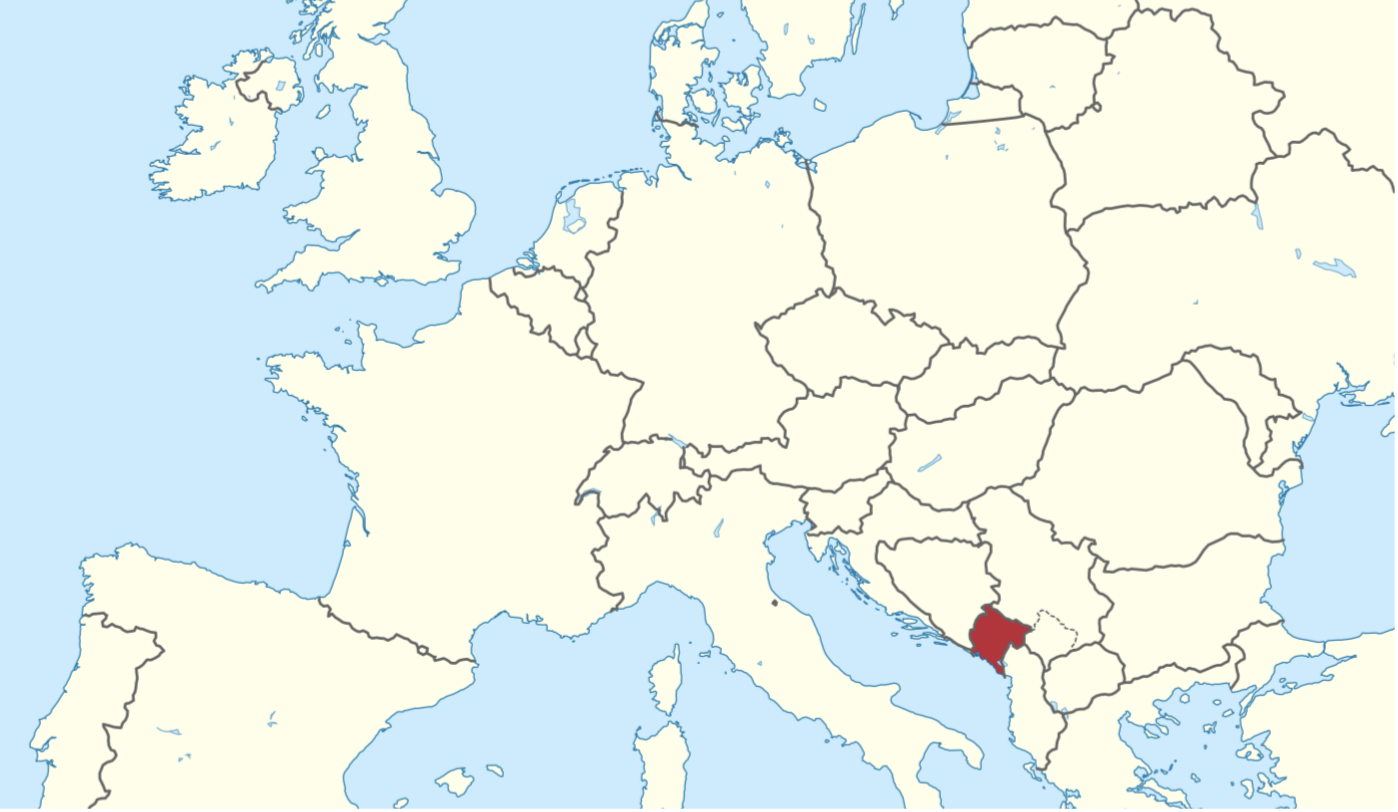
Map: TUBS / Wikimedia Commons (2011), CC BY-SA 3.0.
Candidate country since 2010, accession negotiations since 2012
Montenegro is probably the furthest along the road to becoming an EU Member State, as it has “provisionally closed 23 of 33 negotiating chapters” in November. It aims to close the remaining ones before 2027. Montenegro is already part of the ERASMUS+ program, has visa-free travel and is economically closely linked to the EU. We will have to stay tuned for the last steps of Montenegro’s path into the EU. Marta Kos, the EU’s enlargement Commissioner, hopes to sign the accession treaty with Montenegro next year, which would be the last major step before ratification.
North Macedonia:
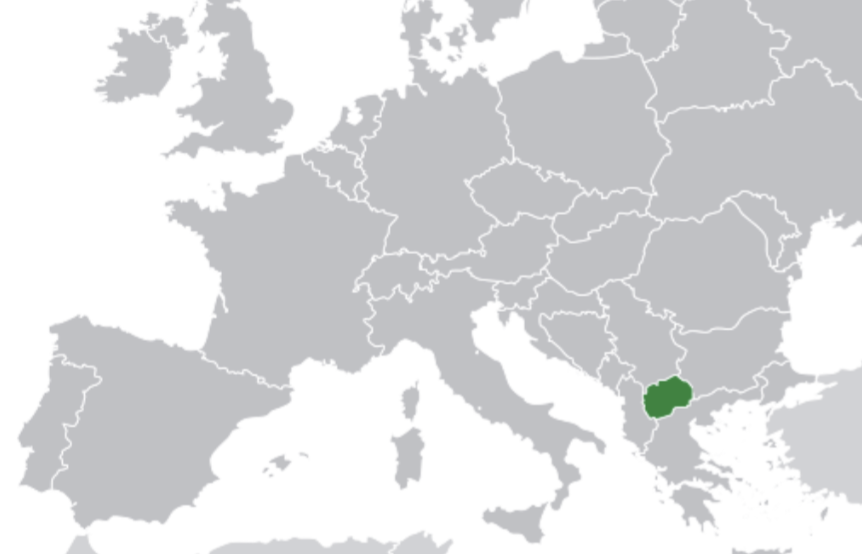
Map: The Emirr / Wikimedia Commons (2010), CC BY 3.0.
Candidate country since 2005, accession negotiations since 2022
North Macedonia has a similar status to Albania and Moldova regarding ERASMUS+, visa-free travel, Security and Defence policy, and trading with the EU. One main obstacle in North Macedonia’s accession process is the country’s relationship with Bulgaria. The two neighboring countries have disagreements concerning constitutional changes as well as historical and cultural disputes.
Serbia:
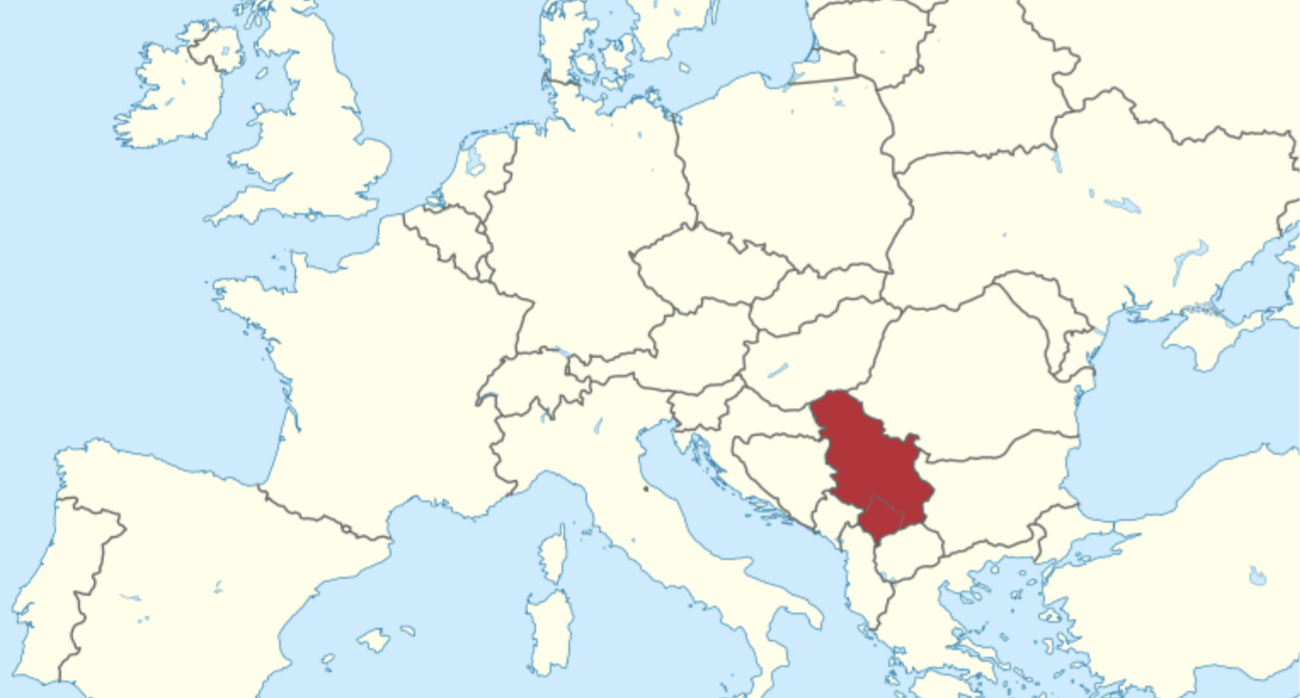
Map: TUBS / Wikimedia Commons (2011), CC BY-SA 3.0.
Candidate country since 2012, accession negotiations since 2013
Serbia also enjoys the benefits of ERASMUS+, trade links, and visa-free travel while not yet being aligned with the EU Common Foreign and Security Policy to a large degree. For Serbia, a further pre-condition applies. The Commission states that the Balkan country “must engage constructively in the normalisation of their relations” with Kosovo. The two neighbouring countries are in conflict concerning ethnic and social disputes.
Turkey:
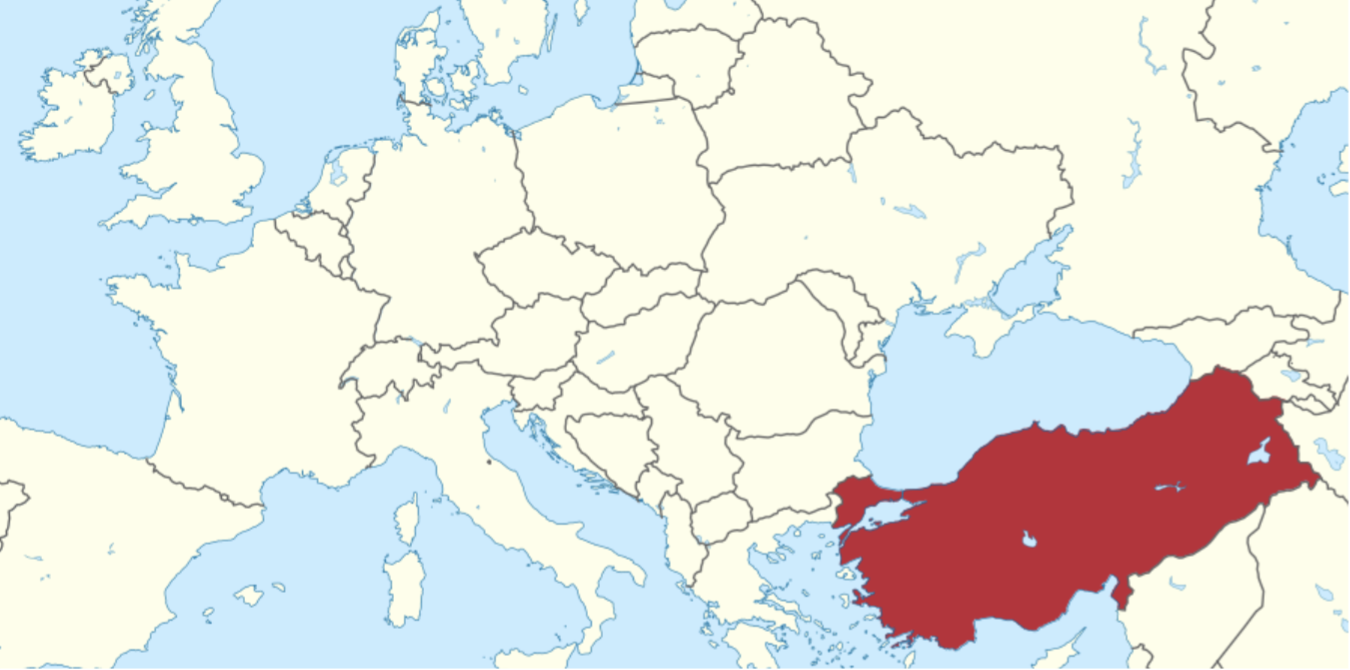
Map: Giorgi Balakhadze (based on TUBS) / Wikimedia Commons (2020), CC BY-SA 3.0.
Candidate country since 1999, accession negotiations were opened in 2004, and set on standstill in 2018
Turkey has been the longest-standing candidate country, with currently no real prospects for joining the EU in the near future, as the accession negotiations have been on standstill since 2018. Turkey is part of the ERASMUS+ program, but Turks do not enjoy the privilege of visa-free travel to the EU. The EU largely supports Turkey financially, for example, for refugees and host communities in Turkey.
Turkey is often the reason for news concerning democratic backsliding. Under the rule of President Erdoğan, who has been in power since 2002, the country has “become increasingly authoritarian”. The American organisation Freedom House has labeled Turkey as “not free”.
Ukraine:
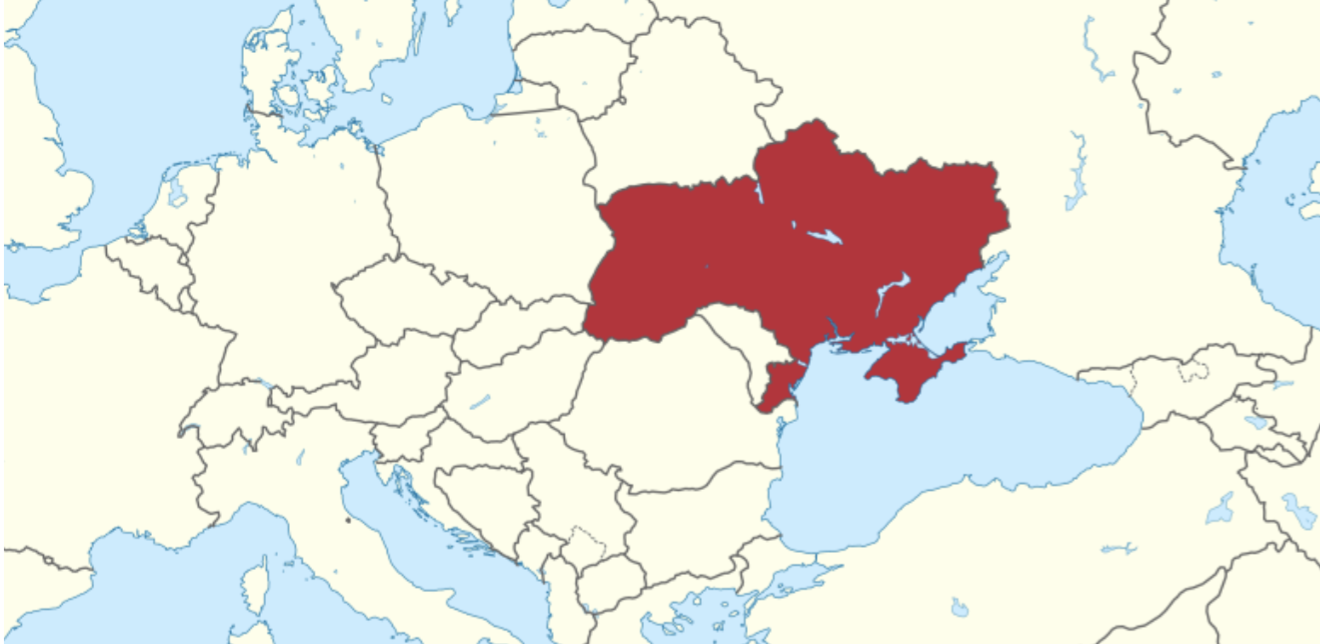
Map: TUBS / Wikimedia Commons (2011), CC BY-SA 3.0.
Candidate country since 2022 (start of Russia’s full-scale invasion of Ukraine), accession negotiations since 2024
The Ukraine war gives the Ukrainian accession process a different status regarding the perceived urgency. Ukraine has started accession negotiations and “has formally opened four of six” of the clusters of negotiation. The EU is investing heavily in Ukraine, especially since the Ukraine War, which sets the accession talks under a new dimension of pressure.
The above-mentioned countries are at different stages of the process and have varying chances of acceding to the EU in the near future. At the second EU Enlargement Forum, held in Brussels on 15 and 16 November, high-level EU officials and other participants discussed the 2026 Enlargement Package, as well as the broader prospects for EU enlargement.
In her speech, the Commissioner for Enlargement, Marta Kos, highlighted that enlargement offers the EU “the opportunity to build a stronger Europe”. Ursula von der Leyen likewise underscored her firm commitment to further EU enlargement, describing it as “a geostrategic imperative” and a long-term investment in the Union’s peace. Stability and security. According to Von der Leyen, especially Moldova and Ukraine, as two countries severely affected by Russian aggression, are moving very quickly towards their EU membership. We shall see when the next accession will take place and how long it will take until the current candidate countries can fully adopt the acquis communitaire, but it will probably not take another 13 years before a new country joins the Union…