

By: Pauline Armbruster
Reading time: 2,5 min
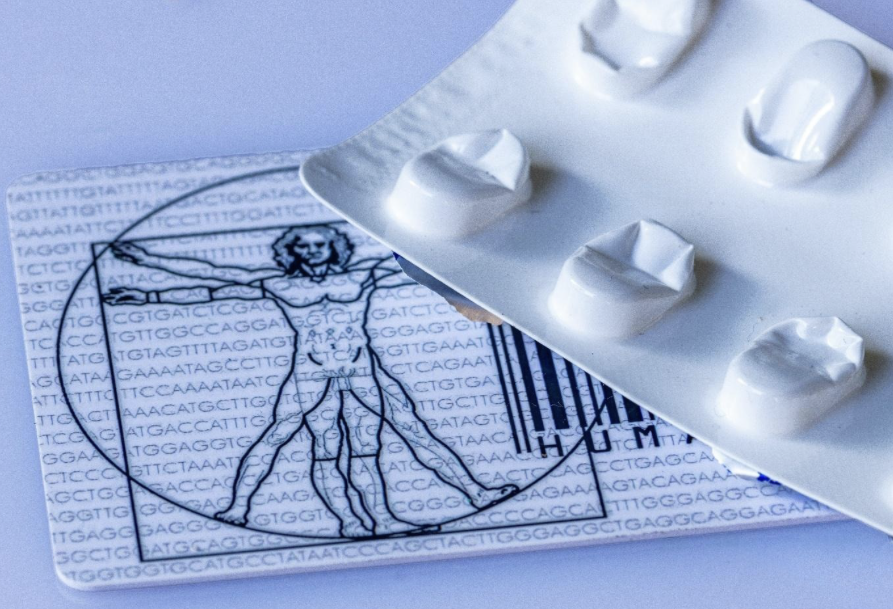
“The standard human body is male”. With this statement, MEP Billy Kelleher accurately summed up the persistent problem. Not only is medical research tailored to men, but also do healthcare treatment and diagnosis overlook the female gender – and therefore, half of the population. Currently, the issue has received attention at an EU level which has resulted in demands to counteract. The following article will explain the issue of gender inequalities in health and its consequences, and finally the European response will be highlighted.
Gender inequalities in health
Gender inequalities in health are structural and rooted in patriarchal inequalities which shape the health system from its start. To begin with, the issue unfolds in medical research. It manifests itself in the lack of sex- and gender-disaggregated data. 72 % of drug trials fail to consider sex and gender, and pregnant women are considered in only 0,4 % of clinical trials, with breastfeeding women in only 0,1%. This overlooking of biological factors can create serious health risks: for instance, women experience more side effects of medications than men, due to the fact that drug dosages have been based on the male sex.
Apart from the fact that patriarchal societies saw less importance in women and their health, hormonal deviation was put forward as an excuse to exclude the female sex from health research and establish the male body as the standard. This has led to the lack of research that has been done on health conditions that primarily or exclusively affect women. For instance, Endometriosis is researched on a very limited scale and leaves women affected alone with insufficient research and few compelling solutions.
Diagnosis and treatment unfold the same pattern of gender inequality, which has been strongly influenced by the unjust conditions of research. Due to male-centred research, deviating symptoms of the female gender often remain unidentified. To give an example: the symptoms of cardiovascular disease between men and women differ, and women affected by the disease lack diagnosis and treatment because their symptoms are not considered as typical. Clearly, this creates health risks or even life-threatening consequences.
A European response?
In September 2026, the European Parliament adopted a report that described the existing inequalities in health and called for European action to address the issue. The report considers the discrimination of women in health as a violation of fundamental rights and demands European action. This shall include a systematic consideration of health needs of women, policies for medical innovation and investment, and a better collection of data. Finally, members of the European Parliament demand to include the issue of women health in the EU’s gender equality strategy 2026-2030. As the adoption of this report illustrates, the European Union can complement national policies in the field of public health, however it ought to be mentioned that the EU does not have the competence to define health policies. Accordingly, the organisation of healthcare and how it is provided must be decided at a national level. Therefore, a response at Union level will not be sufficient to provide just healthcare for all genders but it needs additional engagement of the Member States.
To conclude
Discrimination of many kinds finds its expression in healthcare; and the demonstrated inequalities based on gender are one of them. Being informed about the conditions and their consequences is essential and will hopefully contribute to an improvement of the situation. The European developments - to address persisting gender inequalities in health and making an effort to challenge the system - are certainly a step in the right direction. Needed, however, is the engagement of the member states to not only change the overarching structures of healthcare, but also to create a system that operates fairly in every respect.