

Apathy is Hot: The Rise of Political Disengagement
By Juliane Trabandt, Reading time: 3min
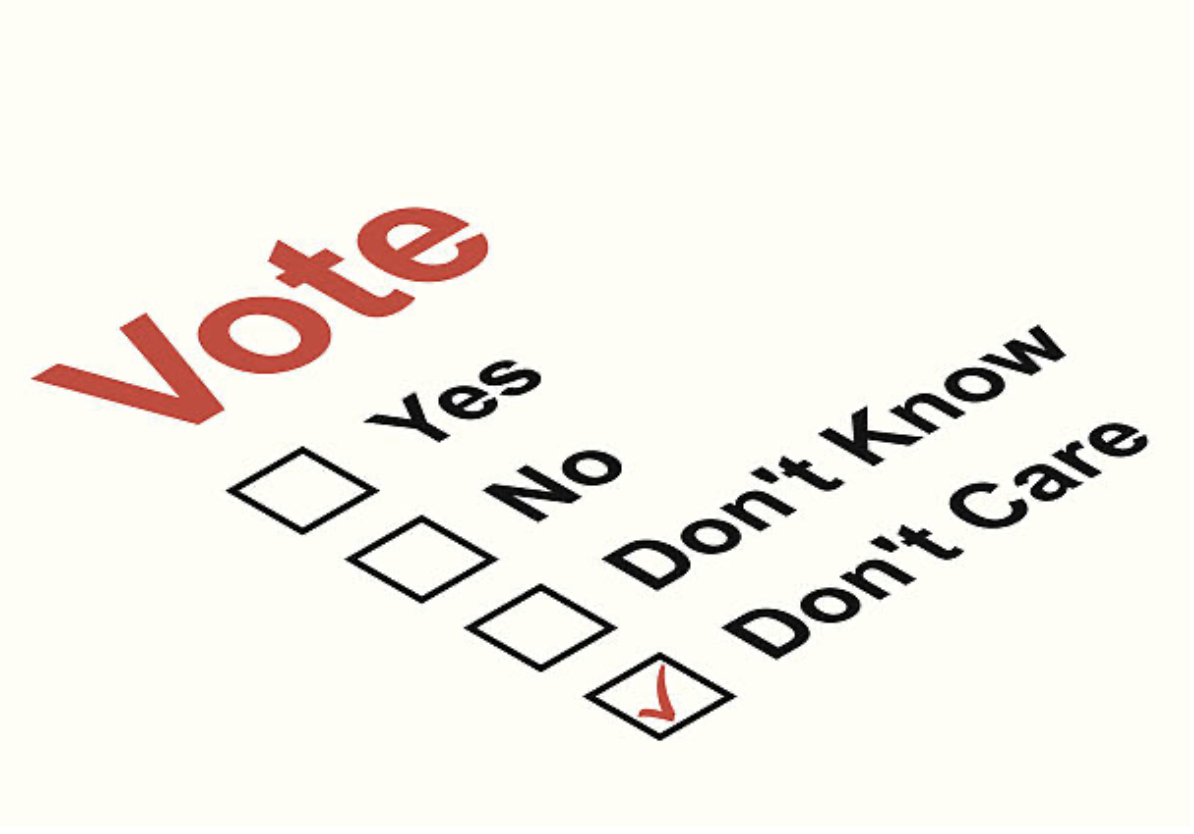
Image credits: Dreamstime
We are constantly being bombarded with negative news – rising populism, failing democracies, and wars take place increasingly around us. This constant exposure can lead to increasing fears and anxieties around politics and make it hard to stay informed and feel hopeful. It is no wonder then that some of us choose to completely tune out, as it may feel like a negative emotional overload. Others, on the other hand, may choose to treat politics more like entertainment in the form of snippets of debates, memes, or viral clips. This political disengagement is becoming increasingly visible across Europe, and the issue is that it is destabilising our democracy.
Where Disengagement is Visible:
One example where we see this political disengagement appear is election fatigue. Over the past decades, voter turnout has been consistently decreasing all over Europe. We see this trend reflected in Bulgarian parliamentary elections (which, granted, there have been seven of in the last five years). In 2021, voter turnout was at almost 50%, whereas in 2024, barely 34% of the population took to the polls. Here, we see how governmental instability only fosters political disengagement and helps fringe parties gain ground.
But this is not just an Eastern European phenomenon; we also see issues like this in the West. Le Monde, for example, called France ‘an island of pessimism’ after reports came out that 76% of the population expressed distrust in the government and 74% distrust the National Assembly. It is then not surprising that 62% would support President Macron’s resignation. We have to keep in mind that these numbers were taken after the controversial dissolution of the National Assembly in 2024, which was not understood by 67% of citizens. Yet, these numbers show a striking picture of a disconnect between political leadership and public opinion, which, of course, also fosters political disengagement as people feel as though their votes are wasted on political elites.
The Consequences of Disengagement
This political apathy and disconnect lead to the erosion of democratic values, especially among our generation. Only 57% of Gen-Z prefer democracy over alternative forms of governance, and almost 1 in 10 of Gen-Z would not care whether the government is democratic or not. These are, of course, numbers that raise some concerns and show that there is a trust vacuum in our political institutions.
The political disengagement only amplifies this lack of trust as it makes emotional, simplistic narratives more appealing. As people lose faith in mainstream, centrist parties, populist parties dominate political discourse. Their anti-establishment, us vs them narratives rely on emotional rhetoric and fear. Additionally, they offer seemingly simple solutions to complex political issues that would hardly hold up if they were put into practice. This can be an extremely powerful message when one is already feeling alienated.
Furthermore, populism thrives on high enthusiasm from a small base, and is therefore benefiting from spreading apathy. It also increases the visibility and influence of populist ideas as it is easier to slip into echo chambers when one is politically disengaged.
Apathy as a Warning Sign for Democracy
Considering all of this, we can safely say that political apathy is not just a trend but a warning sign for democracy. As people disengage with politics, populist movements find fertile ground to weaken democratic establishments and narratives. While the urge to tune out of the negative news cycle every once in a while is very important, it is important to remind ourselves that complete disengagement may lead to authoritarian rule in an already increasingly polarised and unstable political climate.