

The Trade Deal with Indonesia – Has the EU sacrificed its values?
Written by: Lavinia Tacke, Reading time: 3 min
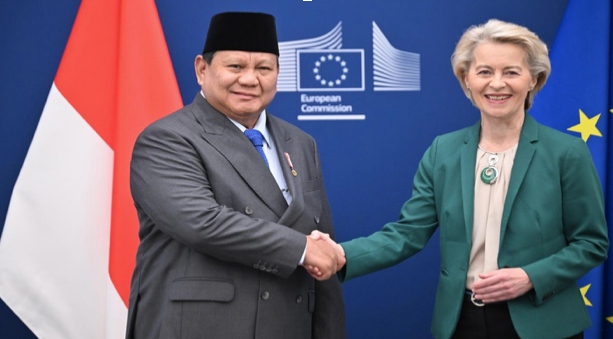
Indonesian President Prabowo Subianto and Commission President Ursula von der Leyen at their meeting in Brussels on July 13, 2025; Image: https://www.euractiv.com/news/eu-pauses-tariff-response-to-us-indonesia-trade-breakthrough-announced/
After nine years of negotiations, in September 2025, the EU officially finalized its trade deal with Indonesia, as part of its efforts to diversify its trade alliances following the Trump tariffs. However, this deal has sparked a debate concerning the human rights situation in Indonesia, the largest economy in Southeast Asia. Has the EU traded its commitment to human rights and its environmental values for an economic deal?
Why a trade deal with Indonesia?
With a population of 283 million and an annual GDP of €1.3 trillion, Indonesia ranks as the 12th-largest economy outside the European Union and therefore plays a key role in the global economy.
Commission President Von der Leyen and Indonesian President Prabowo Subianto stated in a press conference in Brussels that the agreement is “grounded in shared values of democracy, human rights, and the rule of law.” Despite this, the conference provoked a vigorous debate, especially regarding the value of human rights.
What is the human rights situation in Indonesia?
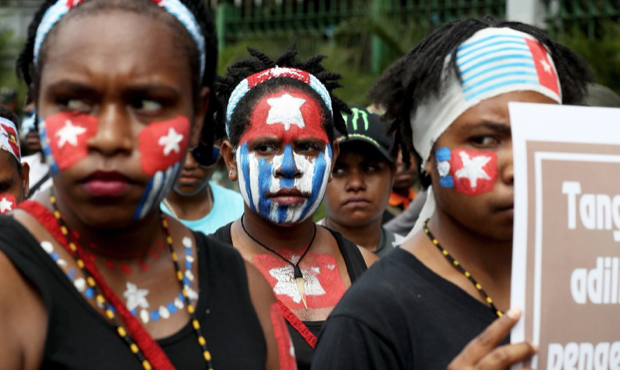
Recently, there have been claims of severe mistreatment against indigenous people in the area of Papua, an area that was annexed by Indonesia in 1962 and has been an area of conflict ever since. Dr. Albert Barume, the “U.N. special rapporteur on the rights of Indigenous peoples”, describes how Indonesian security forced indigenous peoples in the province of Papua out of their homes to create space for agricultural plantations. According to the Human Rights Monitor, “the humanitarian crisis in West Papua has reached a critical stage,” especially now in 2025. Many people have fled or been displaced due to “ongoing armed clashes and military raids”. The organization reports on poor humanitarian conditions in fields such as healthcare, education, and access to food.
What are the environmental concerns?
The CEPA also aims to increase the imports of palm oil into the European Union by reducing tariffs on these products. As palm oil is known to be often environmentally harmful due to its cultivation on plantations, this aspect of the agreement has faced considerable criticism.
Just shortly after signing the Comprehensive Trade agreement with Indonesia, the European Commission announced that the implementation of the Anti-Deforestation Regulation will be postponed for another year. Initially, the law, which aims to prevent products imported into the EU from contributing to deforestation, was scheduled to take effect on December 30, 2024. However, due to an IT glitch, the Commission announced that the regulation will not take effect until the end of 2026. Many lawmakers have criticized the postponement.
"Pretending to postpone a law due to IT problems is unprecedented and an insult to all democrats. Ursula von der Leyen is sticking the middle finger to the planet."
- Marie Toussaint, lawmaker in the European Parliament
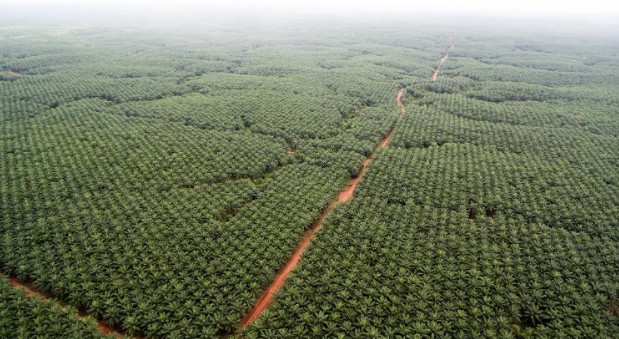
Palm oil plantation in Papua; Image: https://news.mongabay.com/2024/10/cost-benefit-analysis-exposes-bogus-promises-of-palm-oil-riches-for-papuans-4/
As the deal moves toward implementation, estimated to take effect by 2027, the question remains whether the EU has secured a strategic economic partnership or sacrificed its values. While some welcome the new deal as an opportunity to decrease economic dependency on the United States, critics remain skeptical, fearing the deal might potentially worsen the situation for Indonesia’s indigenous peoples and our environment.