


Zooming In
The crisis of incumbency - Part 2
By Ben Rosenbaum, Reading time: 3 minutes, 30 seconds
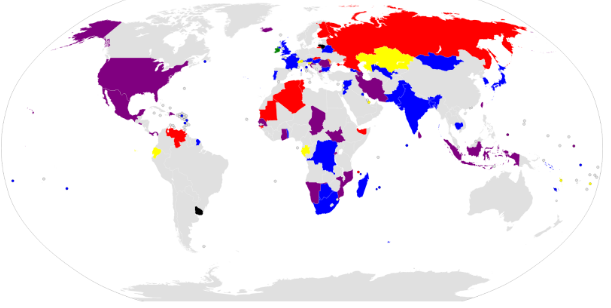
Why have so many governments struggled in recent elections, and why are populists’ extreme messages so successful? Problems with communication and narratives might be part of the answer.
The end of Schengen? What border controls could mean for Europeans
by Flavia Faraone, 2 minutes read
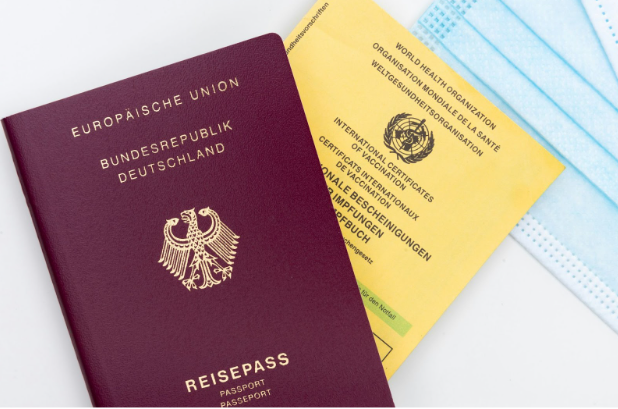
On November 13th, the Dutch government announced that it would strengthen border controls with its neighboring countries, Belgium and Germany. The restrictions will be put into force on December 9th and will remain in place for the following six months at least. The controls will be carried out in order to limit migrants’ access to the country. The three countries are all part of the Schengen area, which t guarantees free movement of people and goods and which involves almost all of the European Union member States.
It is Five Years Later: The Aftermath of Brexit
By Dori Felber, Read: 3 Minutes
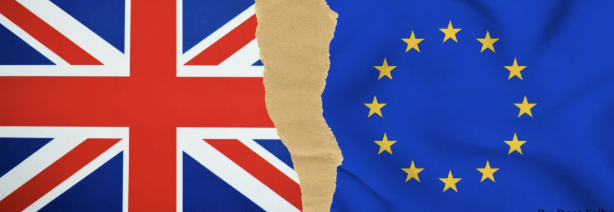
Five years ago, on 31 January 2020, the UK left the European Union. Such a decision was mixed with varying emotions. Of course, there was the large part of the population that felt triumphed by their newlyfound independence, however, on the otherside, the decision was met with sorrow.
Before the vote, Britain made an array of promises, all which would come true if Brexit comes to realisation. However, were those promises really kept? And what has been the true impact of Brexit on Britain?
Not welcome anymore? Ukrainian refugees in Poland
By Anna-Magdalena Glockzin, 3 minutes.
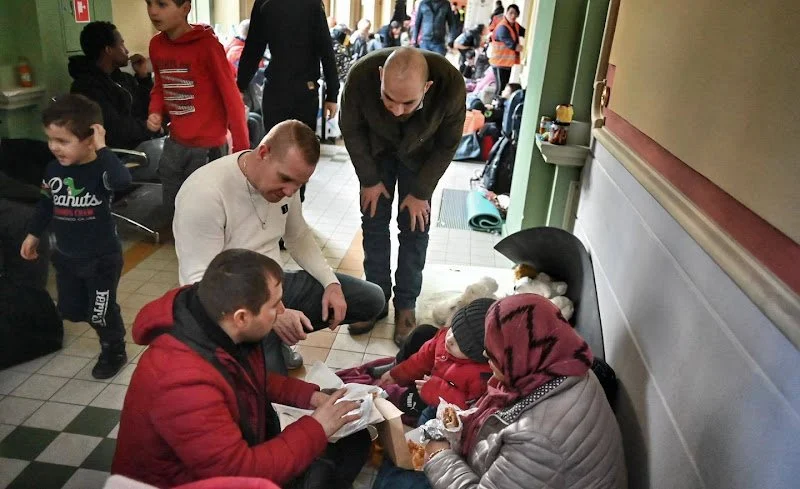
Since Russia invaded Ukraine in February 2022, more than 6 million Ukrainians left the country because of the war. More than 1 million of them are seeking shelter in the neighbouring country of Poland, which is among the most vocal supporters for Ukraine. However, the relationship between Polish people and Ukrainian refugees became more complex over time. But more on that later, first the most recent developments.
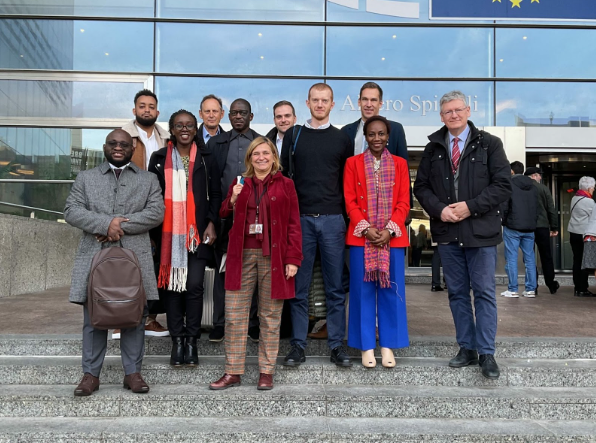
Interview Jamie Slater, European Centre for Development Policy Management
By: Lisa Schipperijn
Would you like a career in European affairs, but not directly in an EU institution? Maybe a career in research is something for you! Blue&yellow journalist Lisa got the chance to speak with Jamie Slater, a junior policy officer at the European Centre for Development Policy, to discuss his work and career trajectory.
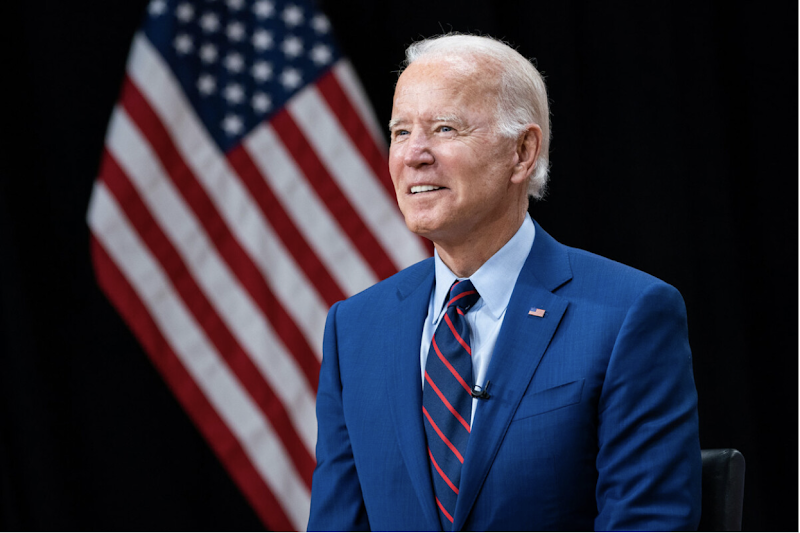
Bye, Biden! The Milestones of his Mandate
By Margaux Baudry, Read: 4 mins
On January 20th, 2025, Biden gave the keys to the Oval Office back to his predecessor President Trump. Joe Biden was elected on the 3rd of November 2020 and took possession of the White House on January 20th, 2021. His campaign became the 1st in history to raise over $1 billion from donors. He defeated Trump 306-232 in the Electoral College and had a 4-point margin in the popular vote.
After 4 years as the head of the United States, here is a summary of his mandate!
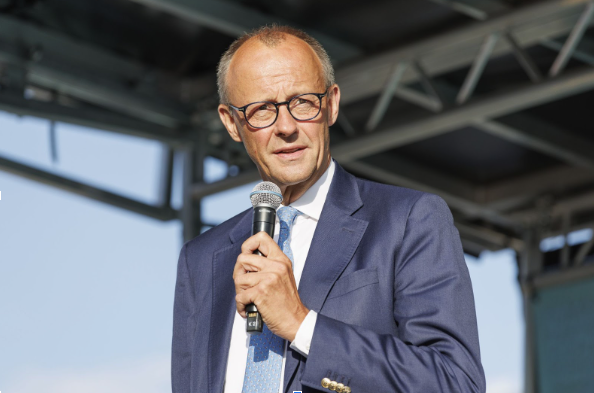
German Zeitenwende in Brussels? - Friedrich Merz Takes the Stage
By: Anna-Magdalena Glockzin, 2 minutes.
After the collapse of its “traffic light" government, Germany is facing new elections on the 23rd of February 2025. The outcome is being closely watched. A shift to the right is certain, as the polls show. The conservative centre-right Christian Democrats (CDU) are in the lead, and their chancellor candidate Friedrich Merz is widely expected to take over as Germany’s new chancellor. In the meantime, Merz is busy setting the scene for his future office term. At the Leaders’ Retreat of the European People’s Party (EPP) on the 17th and 18th of January in Berlin, he was a prominent figure. He gathered nine EPP heads of state, among them leaders from Latvia, Greece, Sweden and Portugal, EPP’s chair Manfred Weber, Parliament President Roberta Metsola as well as Commission President Ursula von der Leyen, who had just recovered from severe pneumonia. This meeting was supposed to underscore the leading role among European conservative leaders that Merz already claims for himself. After all, the German Christian Democrats make up the largest part of the EPP, which is in turn the biggest party in the European Parliament.
Is Vietnam the new China? Vietnam’s Rise as EU's New Investment Hub Amid China's Decline
By: Gabriel Panza
Reading time: 4.3 minutes
European firms are rethinking their strategies in Asia, and Vietnam is swiftly becoming the region’s hottest investment location. China, the once global manufacturing powerhouse, has started to lose its shine due to rising costs, political tensions, and limiting policies, leaving firms wondering if they should relocate. Enter Vietnam. This industrial flourishing Southeast Asian nation is becoming a serious contender, offering stability, attractive investment costs, and game-changing trade agreements. Hence it is only natural that EU companies have quickly registered investments with Vietnam, increasing by 69.6% in just the first eight months of 2022.
What are the reasons behind this shift? This article will address why Vietnam is becoming the top choice for EU companies and why China is falling out of favor.
From Tragedy to Social Upheaval: The Situation in Serbia
By: Miruna-Antonia Aniculăesei
Reading time: 3 minutes 23 second
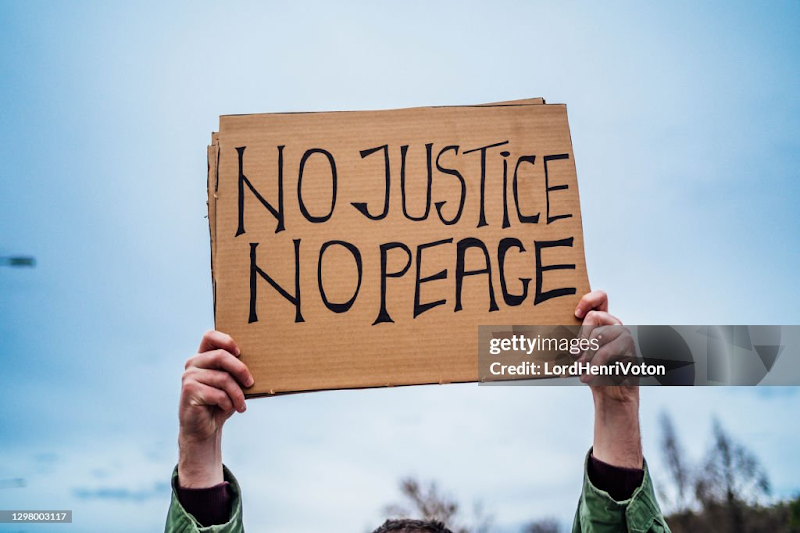
On the 1st of November 2024, tragedy struck Serbia. An unfortunate accident occurred in Novi Sad, a city in the Northern part of the state, involving the collapse of the railway station’s roof and resulting in multiple injuries and casualties . What seemed to be at first a mishap of the company in charge of the building’s renovation, eventually became the spark that lit the fuse for a massive protest against the current government.
ESG Ratings Get a Makeover: What the New EU Regulation Means for the Future of Sustainability!
By: Dori Felber
Reading time: 3 minutes and 22 seconds
Have you ever wondered whether companies are held to specific standards regarding their operations and their impact on stakeholders, the environment, and society? Look no further! On 12 December 2024, Regulation 2024/3005 on the transparency and integrity of Environmental, Social and Governance (ESG) rating activities was published in the Official Journal of the EU.
From TikTok (Almost) All The Way To Presidency
By: Miruna-Antonia Aniculăesei, Read: 3:36
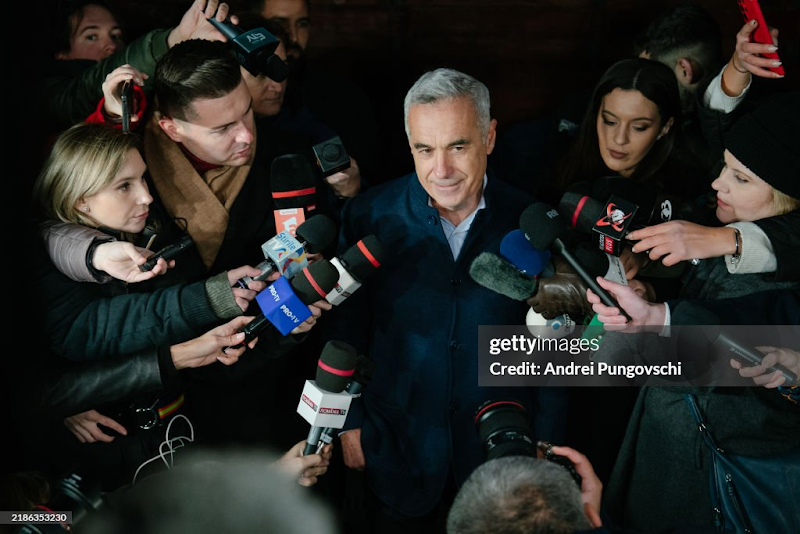
From the US to Georgia, 2024 has proven to be a troublesome year regarding elections. It seems that Romania was not spared either, being threatened by extremist movements, in the form of pro-fascist candidates and demonstrations, and alleged external political factors, such as Russia's involvement in influencing the outcome of the elections.
Constitutional Controversy- France’s 49.3 Drama
By Margaux Baudry, Read: 3min20
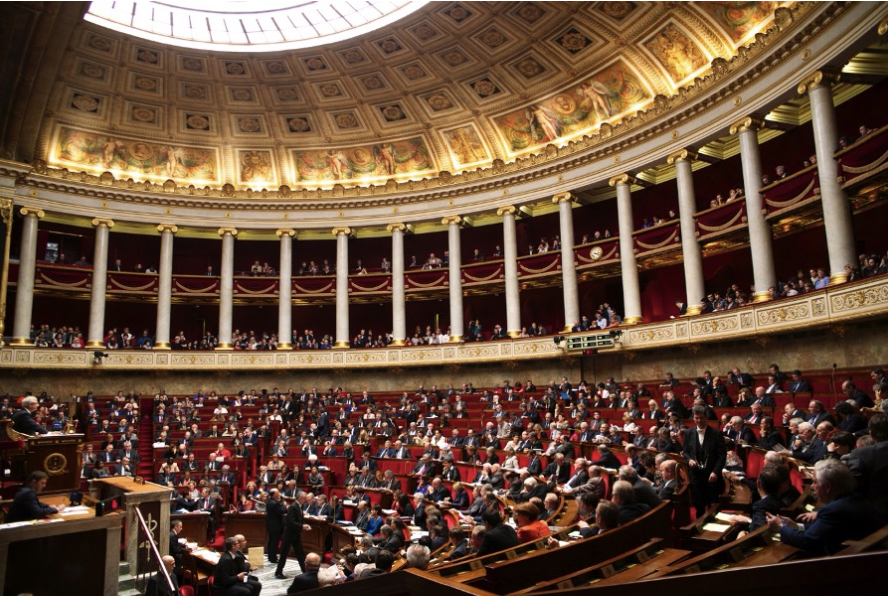
Used 25 times since 2020, Article 49.3 is both a political tool and a constitutional controversy. It is surely the most known, debated, and hated provision of the French Constitution. Deemed undemocratic, and even authoritative, it has been a central point of discussion in the French political debate since 2022. Ex-Prime Minister Michel Barnier triggered it on December 2nd 2024 to force the new social security budget and it cost him his removal from the Government. But what does the procedure of Article 49.3 look like? How can the National Assembly counter it? And why did it play a role in recent events? Here’s all you need to know about the drama surrounding Article 49.3 .
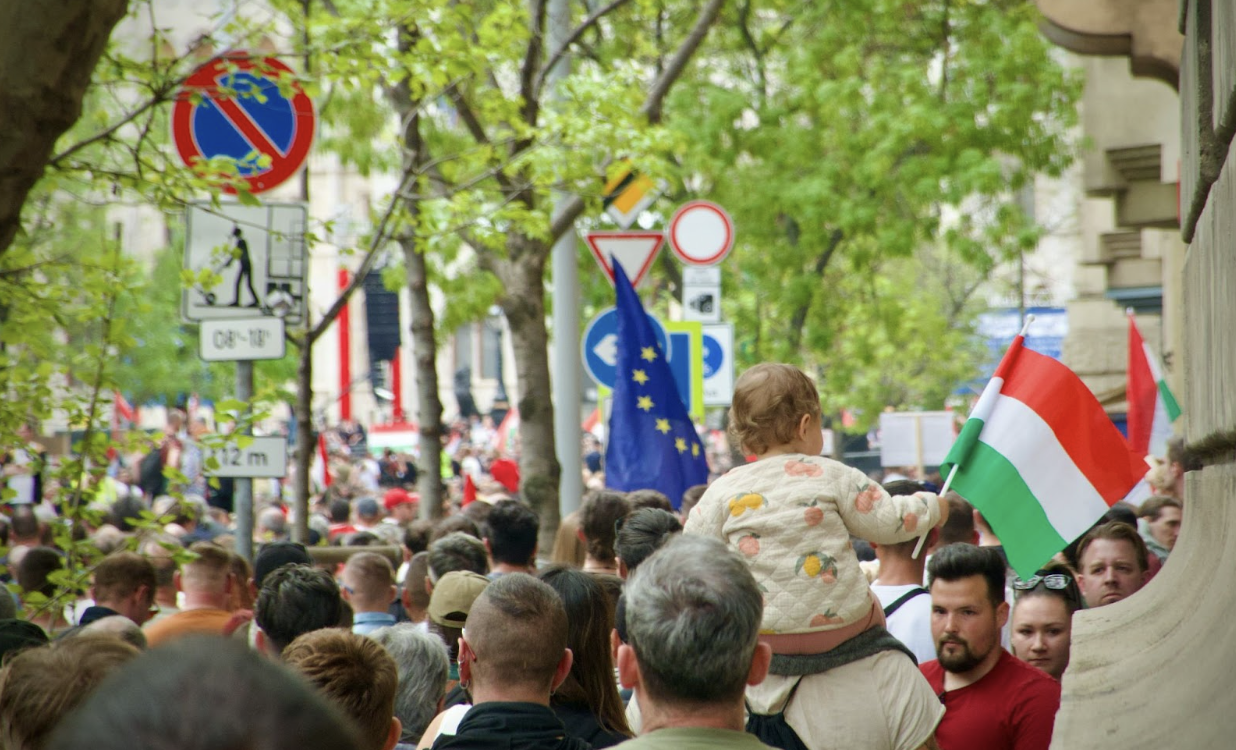
Hungary’s Presidency of the Council: a Confusing Six Months
By Flavia Faraone - 3 minutes read
Hungary’s turn at the rotating presidency of the Council of the EU ended on December 31st. With some constructive political strategies regarding EU enlargement, despite a questionable approach to diplomacy, , Orbán once again proved himself to be an unpredictable politician.
Sora AI could be the future of creativity, but Europe must wait
By Anni Rissanen. Read: 2 min 15 s
A revolutionary tool with limitless potential?
A ground-breaking invention from OpenAI, Sora AI, which enables people to create minute-long, very lifelike videos using simple text prompts, was launched on the 9th of December 2024. Its uses open up new creative opportunities in fields including marketing, education, entertainment, and more. Yet, despite its potential, this tool remains unavailable in the European Economic Area, Switzerland, and the UK due to the strict AI regulations that are set in place.
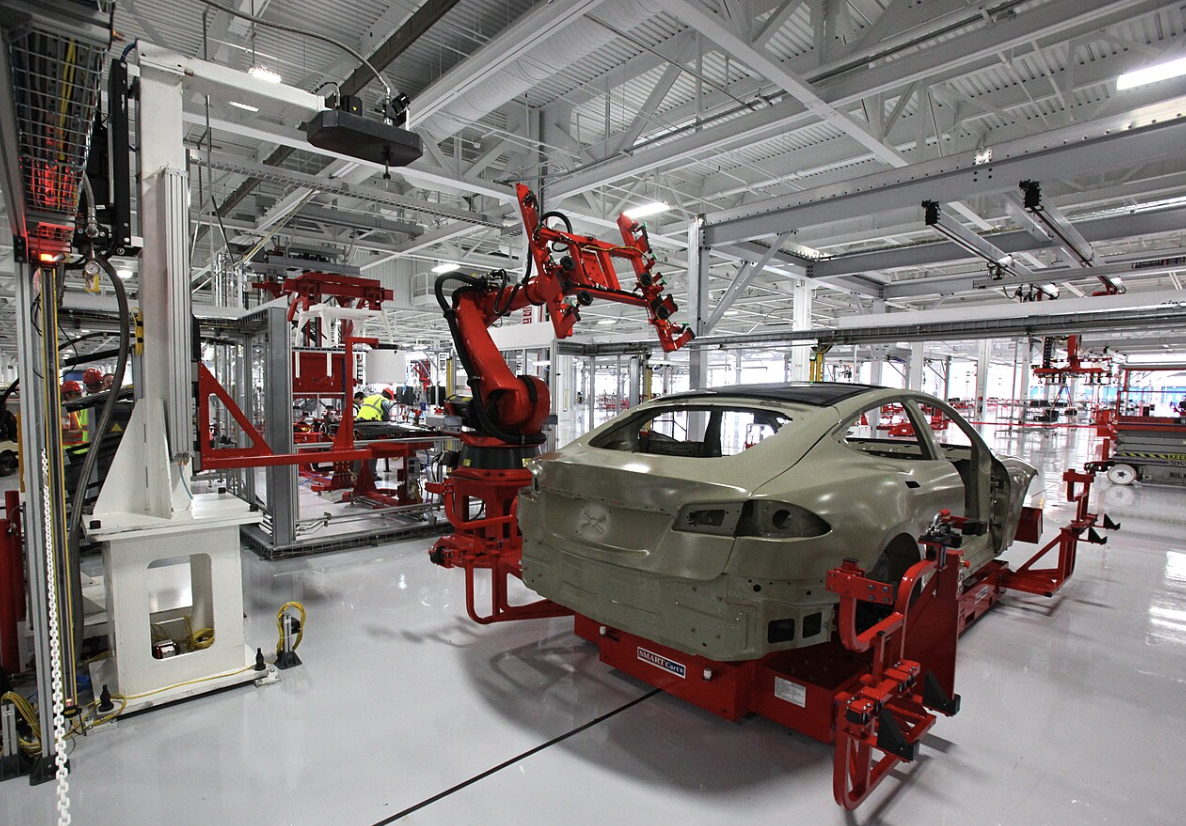
Supply Chain & Global Disruption: Why the EU Considers to Impose tariffs on Chinese EVs
By Federico Fo.
In September 2023 the EU announced its plans to impose a series of tariffs on Chinese Electric Vehicles (EVs) batteries, because of suspected use of unfair practices in production which bring other competitors to a disadvantage. The EU then began investigations over the presence of said practices, the result of which will determine whether the EU will be able to apply the tariffs.

Building a Digital Fortress: How the EU Cyber Resilience Act Strengthens Cybersecurity
By Gabriel Panza. Read: 3 minutes
The internet is an unpredictable ever-growing web, and Europe is building its own fortress to protect itself against cyber threats. The EU Cybersecurity Act of 2019 (CSA) was the first legislative catalyst to digitally protect Europe. The act created the EU Cyber Agency (ENISA) and created a certification system for secure digital products. Despite this, the CSA had some significant blind spots.
From Exploitation to Accountability: How the EU is Cracking Down on Corporate Bad Behaviour
By Dori Felber. Read: 2 min 12s
Have you ever wondered what happens to corporations, such as Shein, that have reported cases of child labour and exploitation of workers within their supply chains? The Directive on corporate sustainability due diligence (Directive 2024/1760) aims to combat exactly these issues by proposing legislation that aims to foster sustainable and responsible corporate behaviour throughout global value chains. According to this Directive, companies are required to identify and, if necessary, prevent, stop, or reduce the negative effects of their operations on the environment, such as pollution and biodiversity loss, and human rights, for example, child labour and worker exploitation. The proposal also lays out the duties of directors, including establishing due diligence, overseeing its implementation, and integrating it into the company's overarching plan. The corporate plan will act as an incentive for compliant directors who will receive variable compensation to assist in the fight against climate change.
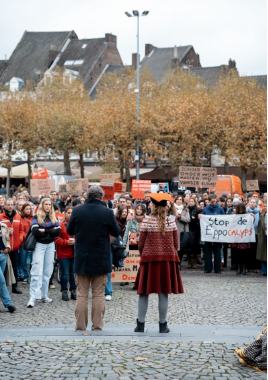
A Short Guide to Protesting
By Miruna-Antonia Aniculăesei. Read: 3 min 03s
When your education is threatened, you have the right to defend it. An example of this kind of resistance is the protest against university budget cuts that was supposed to take place on the 14th of November in Utrecht. Despite an unexpected turn of events, the students, teaching staff, along with other supporters of the cause managed to mobilise without clear guidance. As such, this article will explore the reasons behind the protest, the initial cancellation and the demonstrations held in Utrecht, Maastricht and, finally, The Hague.
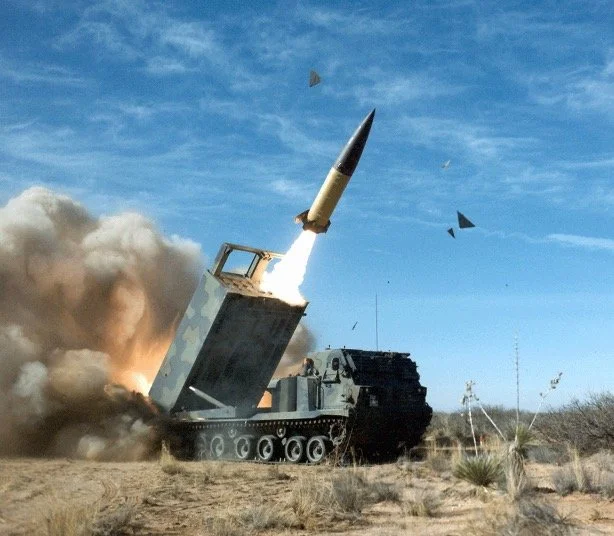
Good Morning, Moscow! Ukraine Strikes Back
By Margaux Baudry. Read: 2 min 20s
After nearly 3 years of War in Ukraine, the conflict just took a turn: Ukraine retaliated, and it involved the West. The West is not the first to have ‘taken part’ in the conflict- see the article on the deployment of more than 10, 000 North Korean troops to the border of Ukraine- although it is not taking things that far (yet). What happened? And what does this mean for the West?
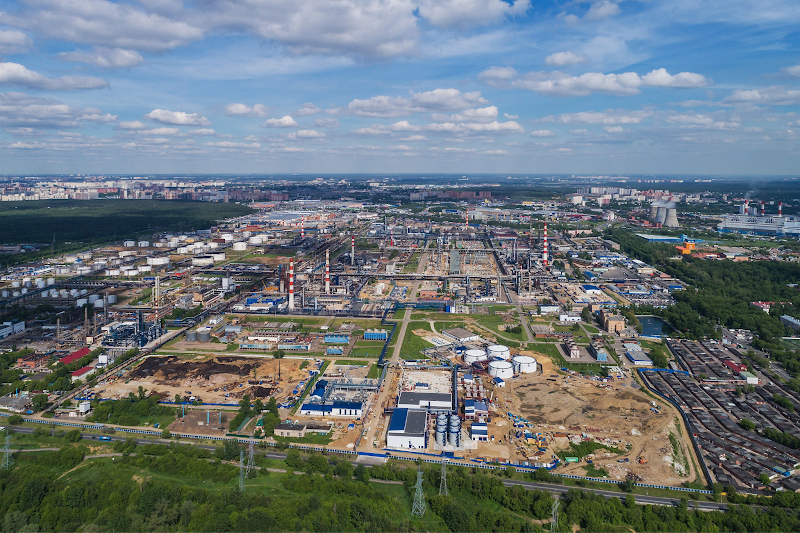
Hungary doing the right thing? It always comes with a price…
By Dori Felber. Read: 1 min 54 s
On June 3, 2022, the European Union Council adopted a sixth package of sanctions against Russia, which, over the course of the following six to eight months, gradually phased out the import of Russian oil and petroleum products. Although the import of gas is not restricted by this specific round of sanctions, government counsel cautions that "nothing is off the table." However, there is a temporary exemption for certain Member States, namely Hungary, the Czech Republic, and Slovakia, which will allow them to continue to import Russian oil via pipeline.