


Zooming In
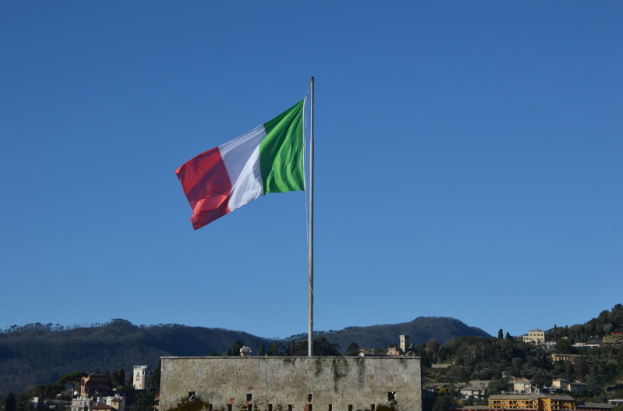
Elmasry’s Release and Other Mysteries: the investigation against Meloni’s failure to act on an ICC mandate
By Flavia Faraone, 3 minute read
On January 27th, Italian Prime Minister Giorgia Meloni announced that she was under investigation for the liberation of Njeim Osama Elmasry, the head of the Libyan judiciary police. Elmasry had been liberated the previous week, under very unconventional circumstances.
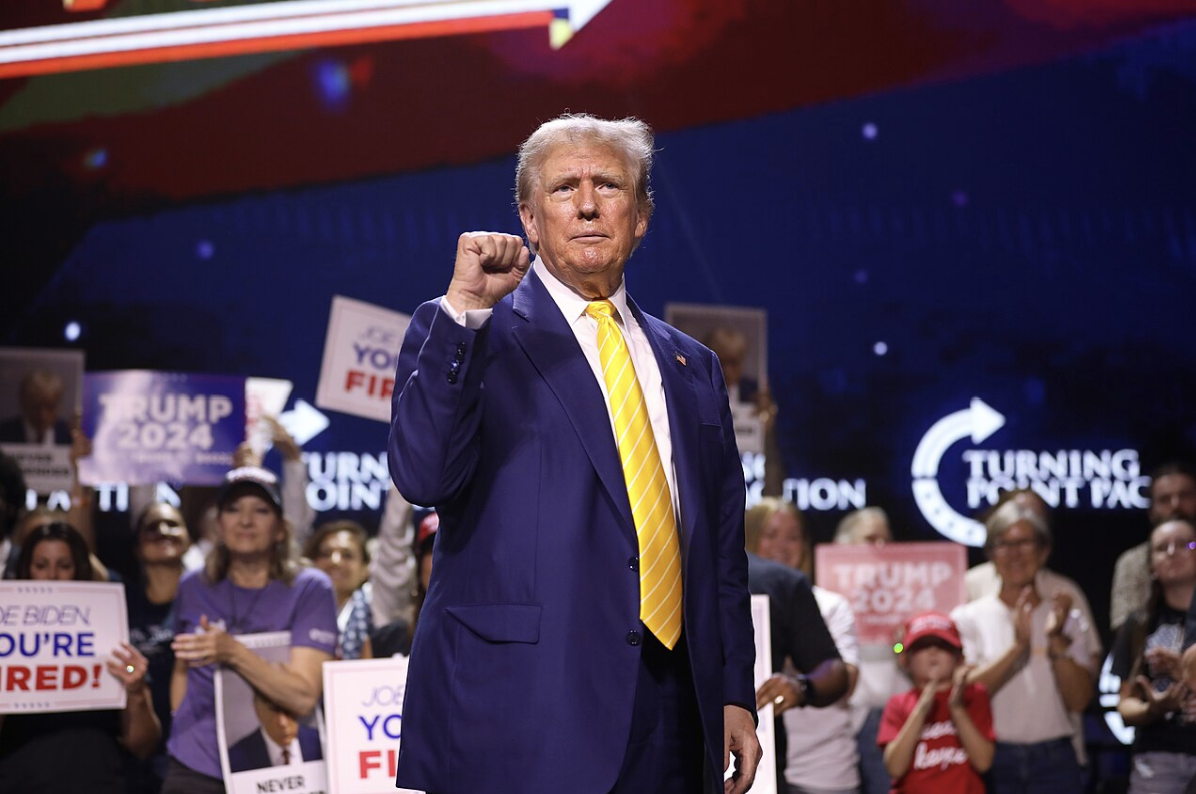
The New Trade War Unleashed by Donald Trump
By Federico Fo, Reading time: 8 min
Immediately after the beginning of his mandate in January 2025, the new president of the United States, Donald Trump, has begun to follow through with the promises made during his electoral campaign, in terms of trade policy. Indeed, Donald Trump announced the introduction of the already planned tariffs that are going to hit some of America’s main trading partners. The latter include Mexico, Canada, China and the EU.
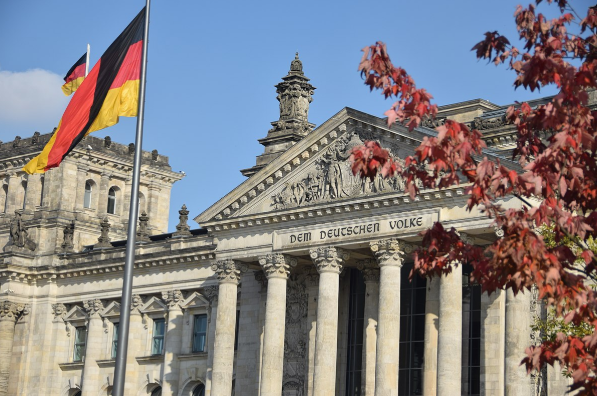
Jamaica, Blackberries, Traffic Lights - A Beginner’s Guide to Coalition Governments in Germany
By Ben Rosenbaum, Reading Time: 4:30 Minutes
With the German Federal Elections coming up, many international observers will be curious as to who will form the next government. But to make this happen, the parties will have to agree on forming a coalition. Germany has a long tradition of coalition governments, and this history provides no shortage of confusing and peculiar names. In this article, I will unpack the potential coalitions, their likelihood after the election and what on earth a traffic light has to do with it.
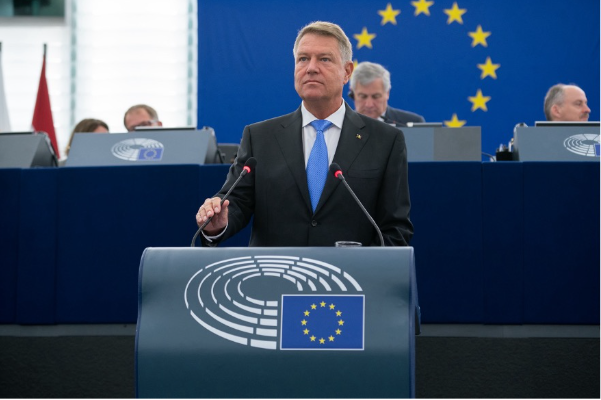
Under Pressure- Romanian President Resigns
By Margaux Baudry, read 1 min 40
On Monday, February 10th, Romanian President Klaus Iohannis resigned after a third request to remove him from office was scheduled to be discussed and voted on in Parliament on Tuesday. The previous two requests, made by opposition parties, had been denied due to procedural reasons. After two mandates and ten years as head of the country, the pro-EU liberal is stepping off the stage like a disgraced comedian—under the spotlight but without the applause. Let’s look at the events that led to his resignation.
Is there a door in the German “fire wall”?
By Anna-Magdalena Glockzin, 4 minutes.
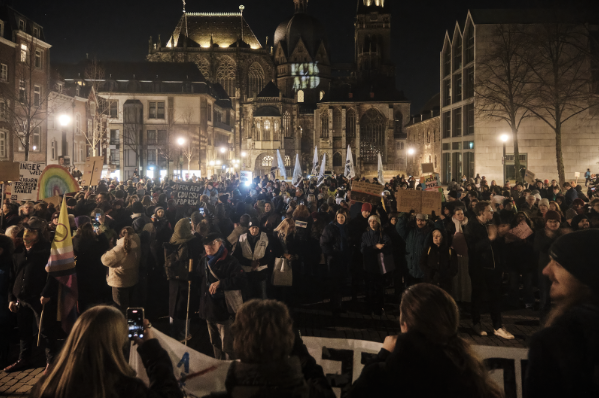
Since the foundation of the German far-right party Alternative for Germany (AfD) in 2013, there has been a strong consensus among the democratic parties in the German party landscape to hold a so-called “fire wall” (Brandmauer) against them. The concept “fire wall” originally meant that no one works together with the AfD whatsoever. This agreed course of action is grounded in the fact that the AfD is proven to be anti-democratic and in parts right-wing extremist. However, with the rise of the AfD and the shift to the right of the Christian Democrats (CDU), it does not seem to be so clear anymore what the concept entails. One person responsible for that is Friedrich Merz, the CDU’s chancellor candidate. He proposed a five-point plan on migration policy, which passed the German Bundestag with the help of the AfD on 29th of January, causing a massive backlash and heavy discussions in the parliament as well as throughout Germany. But first things first.
Make Europe competitive again
Kristoffer Saetre Reading time 4 min
“We need to spend more, spend better, spend together” (Ursula Von der Leyen POLITICAL GUIDELINES 2024−2029). For the first time ever, the EU will publish a White Paper on European Defence. Tailored to European investment needs, this Paper promises a response to the EU’s challenges at its borders and in Ukraine. Not surprisingly, the defence industry and Academia have already issued their viewpoints. This begs the question: what can we expect from this Paper and how do national defence policies fit within an integrated defence of Europe?

To elect or not to elect? The Romanian Situation
Reading time: 2 minutes, 49 seconds
After the Constitutional Court of Romania cancelled the second round of the Presidential elections, the newly formed government had to decide upon a new electoral season. The cancellation sparked strong reactions throughout the country, in the form of protests, new candidates and even a confrontation with the Bucharest Court of Appeal.
The crisis of incumbency - Part 1
By Ben Rosenbaum, Reading time: 3 minutes, 30 seconds
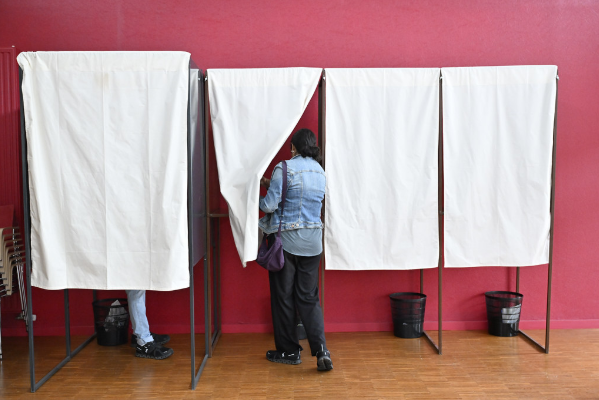
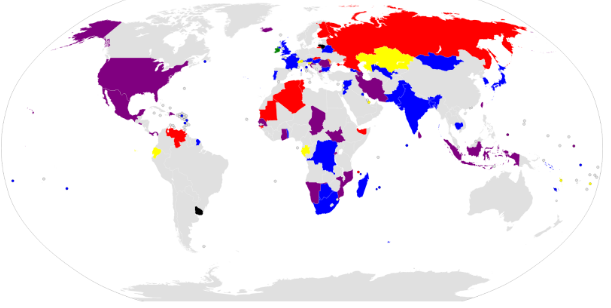
Recent elections across the world have seen incumbent governments in several democratic countries lose power. Is this a trend or a coincidence? And what might be the reasons?
The crisis of incumbency - Part 2
By Ben Rosenbaum, Reading time: 3 minutes, 30 seconds
Why have so many governments struggled in recent elections, and why are populists’ extreme messages so successful? Problems with communication and narratives might be part of the answer.
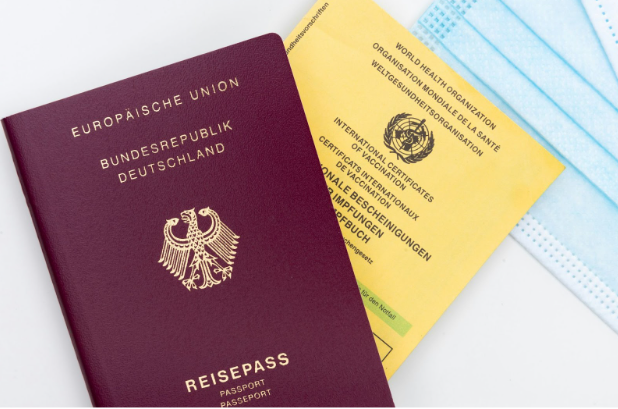
The end of Schengen? What border controls could mean for Europeans
by Flavia Faraone, 2 minutes read
On November 13th, the Dutch government announced that it would strengthen border controls with its neighboring countries, Belgium and Germany. The restrictions will be put into force on December 9th and will remain in place for the following six months at least. The controls will be carried out in order to limit migrants’ access to the country. The three countries are all part of the Schengen area, which t guarantees free movement of people and goods and which involves almost all of the European Union member States.
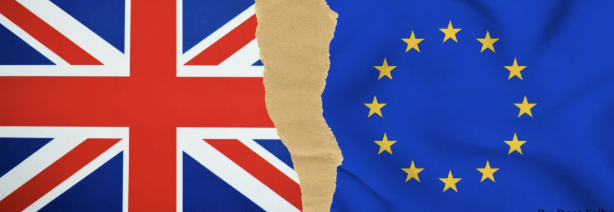
It is Five Years Later: The Aftermath of Brexit
By Dori Felber, Read: 3 Minutes
Five years ago, on 31 January 2020, the UK left the European Union. Such a decision was mixed with varying emotions. Of course, there was the large part of the population that felt triumphed by their newlyfound independence, however, on the otherside, the decision was met with sorrow.
Before the vote, Britain made an array of promises, all which would come true if Brexit comes to realisation. However, were those promises really kept? And what has been the true impact of Brexit on Britain?
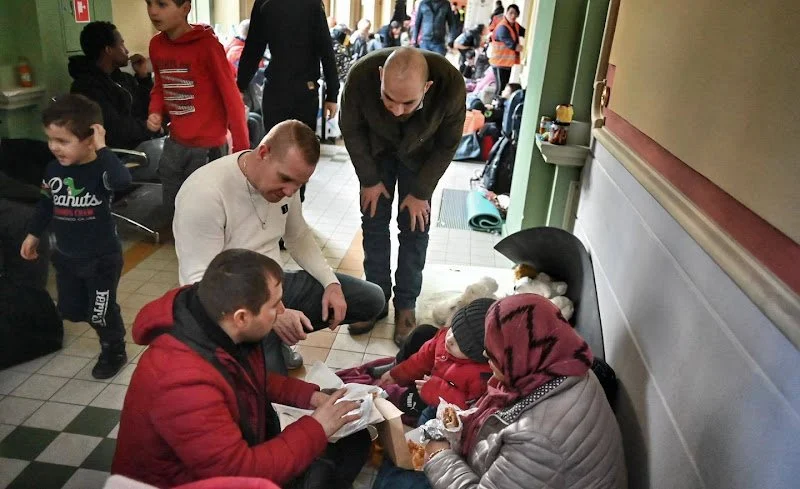
Not welcome anymore? Ukrainian refugees in Poland
By Anna-Magdalena Glockzin, 3 minutes.
Since Russia invaded Ukraine in February 2022, more than 6 million Ukrainians left the country because of the war. More than 1 million of them are seeking shelter in the neighbouring country of Poland, which is among the most vocal supporters for Ukraine. However, the relationship between Polish people and Ukrainian refugees became more complex over time. But more on that later, first the most recent developments.
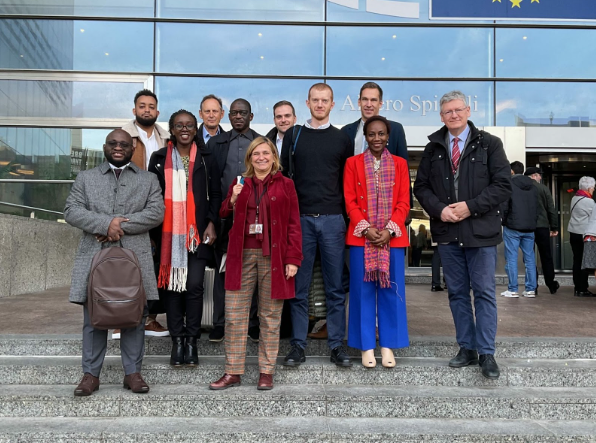
Interview Jamie Slater, European Centre for Development Policy Management
By: Lisa Schipperijn
Would you like a career in European affairs, but not directly in an EU institution? Maybe a career in research is something for you! Blue&yellow journalist Lisa got the chance to speak with Jamie Slater, a junior policy officer at the European Centre for Development Policy, to discuss his work and career trajectory.
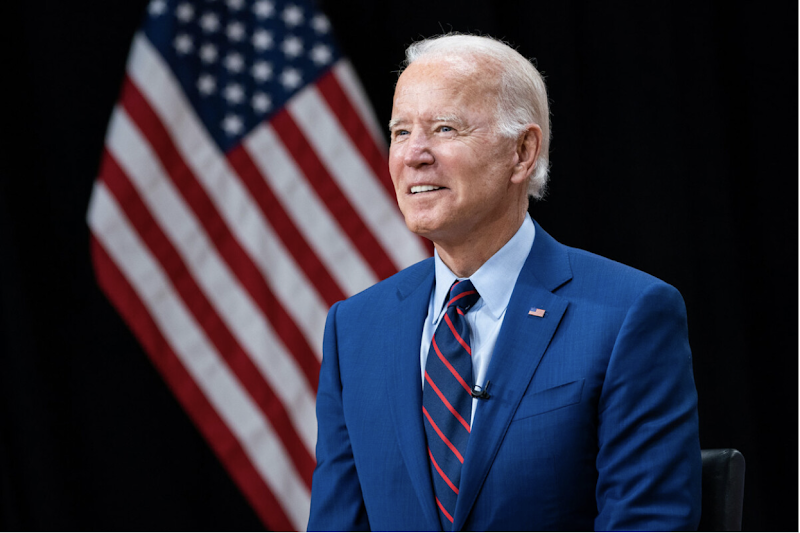
Bye, Biden! The Milestones of his Mandate
By Margaux Baudry, Read: 4 mins
On January 20th, 2025, Biden gave the keys to the Oval Office back to his predecessor President Trump. Joe Biden was elected on the 3rd of November 2020 and took possession of the White House on January 20th, 2021. His campaign became the 1st in history to raise over $1 billion from donors. He defeated Trump 306-232 in the Electoral College and had a 4-point margin in the popular vote.
After 4 years as the head of the United States, here is a summary of his mandate!
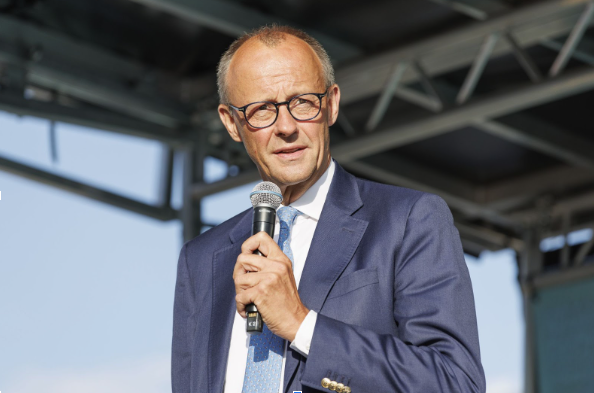
German Zeitenwende in Brussels? - Friedrich Merz Takes the Stage
By: Anna-Magdalena Glockzin, 2 minutes.
After the collapse of its “traffic light" government, Germany is facing new elections on the 23rd of February 2025. The outcome is being closely watched. A shift to the right is certain, as the polls show. The conservative centre-right Christian Democrats (CDU) are in the lead, and their chancellor candidate Friedrich Merz is widely expected to take over as Germany’s new chancellor. In the meantime, Merz is busy setting the scene for his future office term. At the Leaders’ Retreat of the European People’s Party (EPP) on the 17th and 18th of January in Berlin, he was a prominent figure. He gathered nine EPP heads of state, among them leaders from Latvia, Greece, Sweden and Portugal, EPP’s chair Manfred Weber, Parliament President Roberta Metsola as well as Commission President Ursula von der Leyen, who had just recovered from severe pneumonia. This meeting was supposed to underscore the leading role among European conservative leaders that Merz already claims for himself. After all, the German Christian Democrats make up the largest part of the EPP, which is in turn the biggest party in the European Parliament.
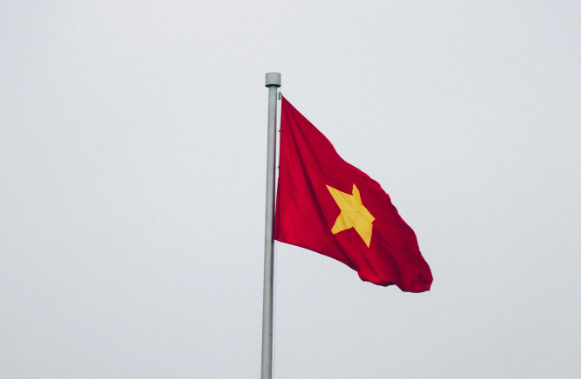
Is Vietnam the new China? Vietnam’s Rise as EU's New Investment Hub Amid China's Decline
By: Gabriel Panza
Reading time: 4.3 minutes
European firms are rethinking their strategies in Asia, and Vietnam is swiftly becoming the region’s hottest investment location. China, the once global manufacturing powerhouse, has started to lose its shine due to rising costs, political tensions, and limiting policies, leaving firms wondering if they should relocate. Enter Vietnam. This industrial flourishing Southeast Asian nation is becoming a serious contender, offering stability, attractive investment costs, and game-changing trade agreements. Hence it is only natural that EU companies have quickly registered investments with Vietnam, increasing by 69.6% in just the first eight months of 2022.
What are the reasons behind this shift? This article will address why Vietnam is becoming the top choice for EU companies and why China is falling out of favor.
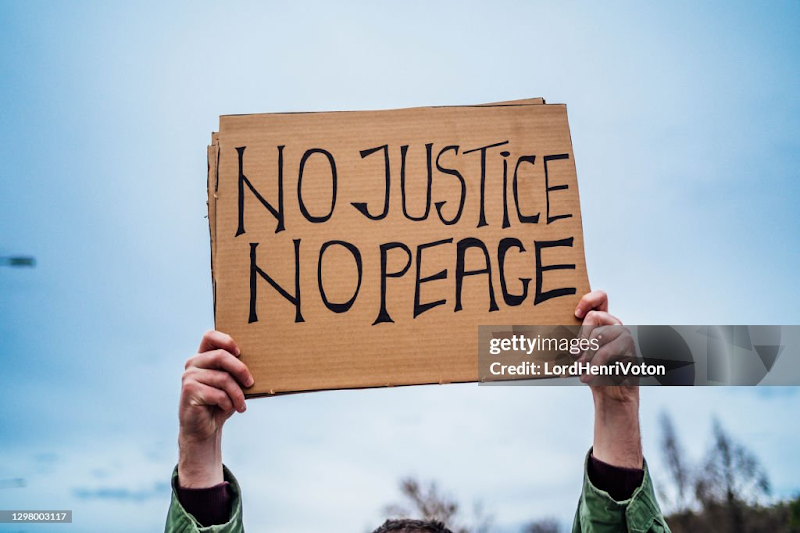
From Tragedy to Social Upheaval: The Situation in Serbia
By: Miruna-Antonia Aniculăesei
Reading time: 3 minutes 23 second
On the 1st of November 2024, tragedy struck Serbia. An unfortunate accident occurred in Novi Sad, a city in the Northern part of the state, involving the collapse of the railway station’s roof and resulting in multiple injuries and casualties . What seemed to be at first a mishap of the company in charge of the building’s renovation, eventually became the spark that lit the fuse for a massive protest against the current government.
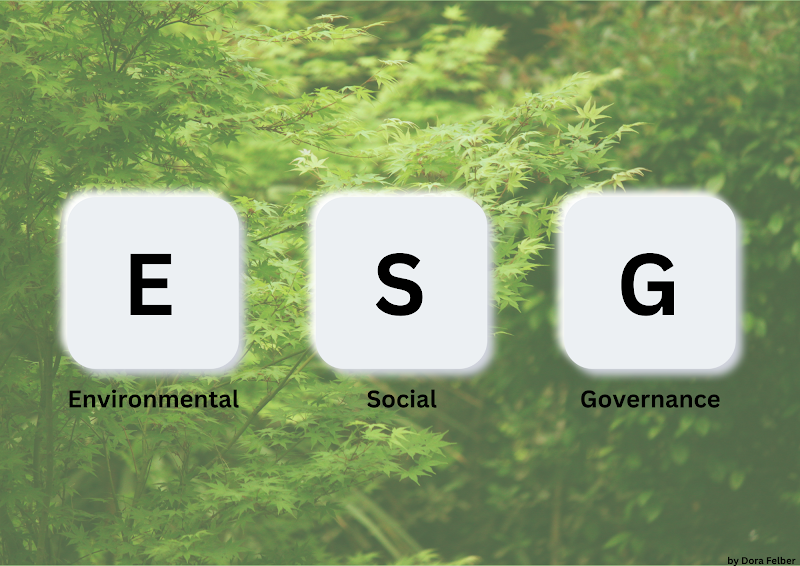
ESG Ratings Get a Makeover: What the New EU Regulation Means for the Future of Sustainability!
By: Dori Felber
Reading time: 3 minutes and 22 seconds
Have you ever wondered whether companies are held to specific standards regarding their operations and their impact on stakeholders, the environment, and society? Look no further! On 12 December 2024, Regulation 2024/3005 on the transparency and integrity of Environmental, Social and Governance (ESG) rating activities was published in the Official Journal of the EU.
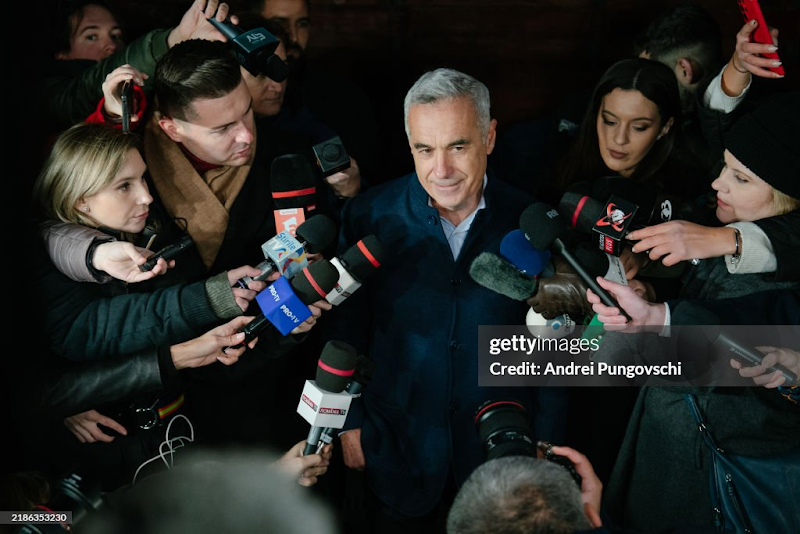
From TikTok (Almost) All The Way To Presidency
By: Miruna-Antonia Aniculăesei, Read: 3:36
From the US to Georgia, 2024 has proven to be a troublesome year regarding elections. It seems that Romania was not spared either, being threatened by extremist movements, in the form of pro-fascist candidates and demonstrations, and alleged external political factors, such as Russia's involvement in influencing the outcome of the elections.
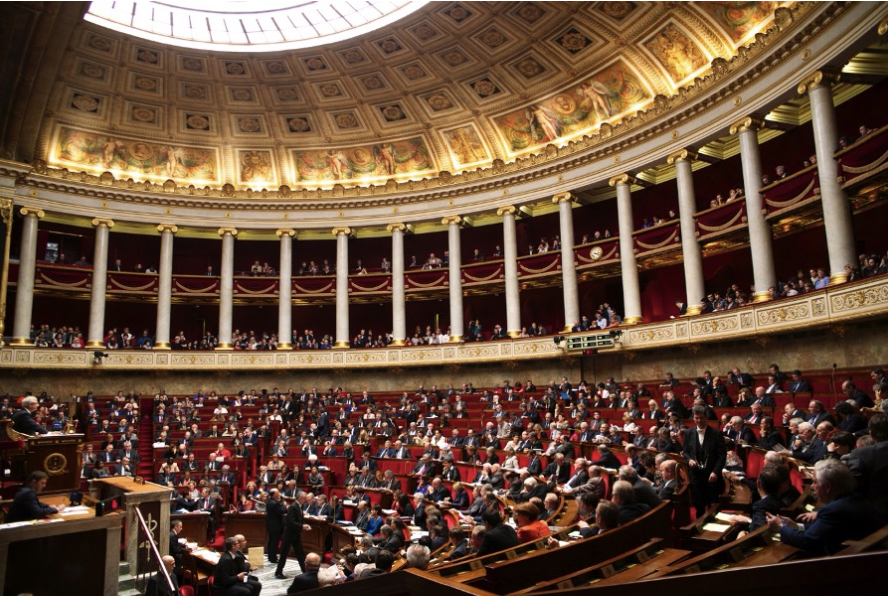
Constitutional Controversy- France’s 49.3 Drama
By Margaux Baudry, Read: 3min20
Used 25 times since 2020, Article 49.3 is both a political tool and a constitutional controversy. It is surely the most known, debated, and hated provision of the French Constitution. Deemed undemocratic, and even authoritative, it has been a central point of discussion in the French political debate since 2022. Ex-Prime Minister Michel Barnier triggered it on December 2nd 2024 to force the new social security budget and it cost him his removal from the Government. But what does the procedure of Article 49.3 look like? How can the National Assembly counter it? And why did it play a role in recent events? Here’s all you need to know about the drama surrounding Article 49.3 .