


Zooming In
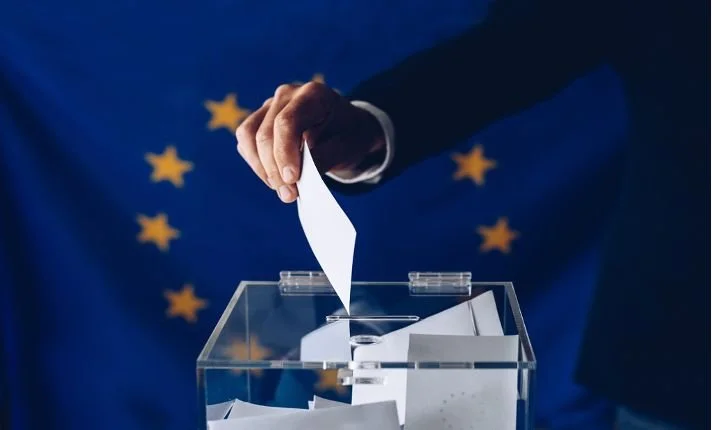
Recap of European Elections (Part 1)
By Beatriz Santos Mayo, 10 minutes. Election results in Member States can influence the future of the Union in the dynamic political environment of Europe, where various nations with unique histories and cultures coexist. As the year progresses, it is essential to set off on a tour through the complexities of democracy in action throughout Europe, from the highly anticipated presidential elections to the pivotal parliamentary elections that determine the direction of legislative agendas. This article thoroughly analyses the recent elections across the European Union, focusing on the political dynamics, significant figures, and broader ramifications for the continent's future.
EU Energy Dependence on Russia - what changed?
By Nurbolat Kambekov, 4 minutes. The European Union’s overreliance on Russian energy suppliers has always been a topic of hot debate, and the Russian invasion of Ukraine intensified the conversations surrounding it. Experts have warned the EU of the looming energy crisis for years, as Russia was the largest supplier of petroleum products to the Union. Yet, despite quickly introduced sanction packages and spikes in gas prices, the European nations managed to reduce their dependency on Russian energy.
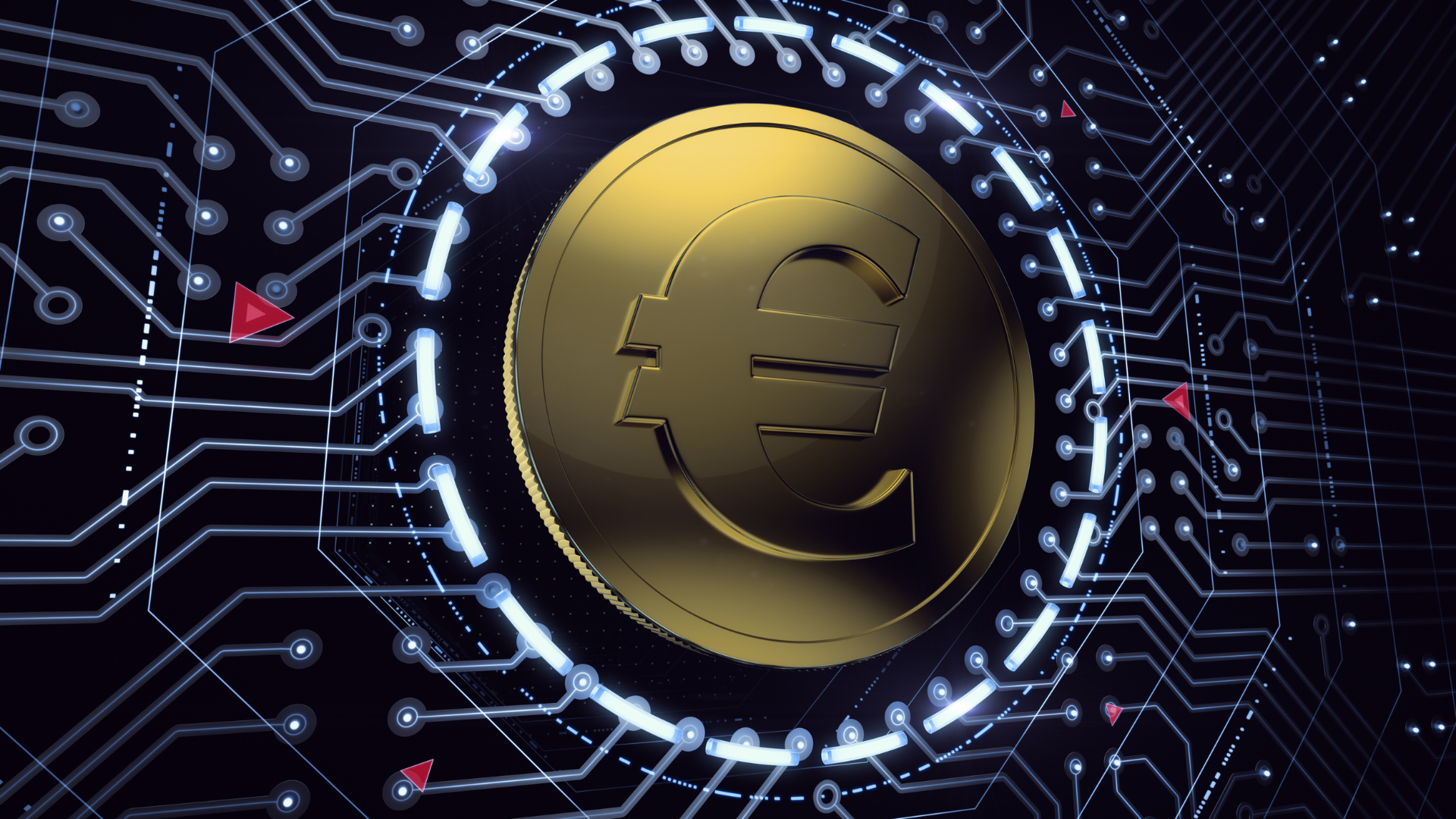
The Digital Euro: the Future of Payments in the EU?
Lila Luhtanen, 6 minutes. First, it was contactless payments, then mobile payment services, and the latest innovation: "the digital euro". You may have seen or heard of the concept in the news. However, the actual meaning and future implications of this new payment system may be lost to many. Therefore, this article addresses precisely what the digital euro is, its background, as well as its advantages and possible disadvantages.
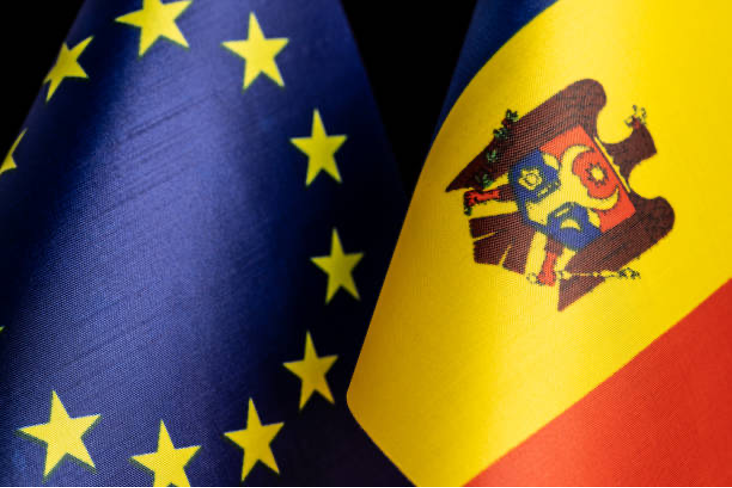
Moldova, in turmoil since the beginning of the war in Ukraine
By Jeanne Gallien, 5 minutes. On May 31st, European leaders met in Moldova for the second summit of the European political community. But why? A small Eastern European country located between Romania and Ukraine; Moldova has always been under the influence of the Ottoman Empire and the Soviet Union, and more recently more powerful neighbors Russia, and Romania. It gained independence from the Soviet Union in 1991 and is now a sovereign state with a mainly agricultural economy. Moldova is also known for its beautiful Orthodox monasteries, wine production, and cultural diversity. However, the country faces economic and political challenges, and fears a Russian attack. As Nicu Popescu, Moldova's Deputy Prime Minister, pointed out: "We are neither in NATO nor in the European Union, we are poor, we expect the worst.” This article will address the situation of Moldova, which is located in close proximity to the conflict in Ukraine, the Russian threat, and its way to the European Union.
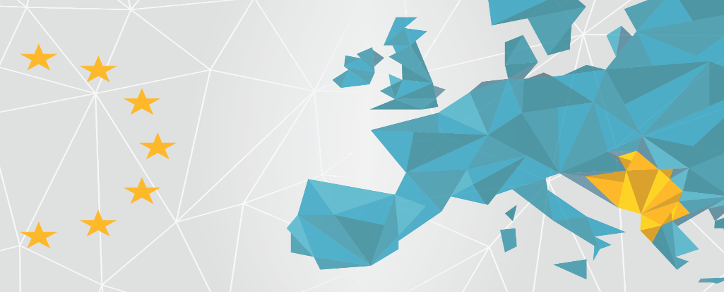
Keeping an Eye on The Balkans:3 Reasons Why the Normalization Process of Kosovo and Serbia Relations is Vital for the EU Neighbourhood Policy
Ilaria Settembrini, 8 minutes. After over a decade of talks and agreements, Kosovo and Serbia are back into the game with a new diplomatic plan drafted with the EU. Still, tensions have constantly increased in the past month. Vis-a-vis an uncertain future, the EU's involvement in the normalization process is trickier and more pressuring than ever.
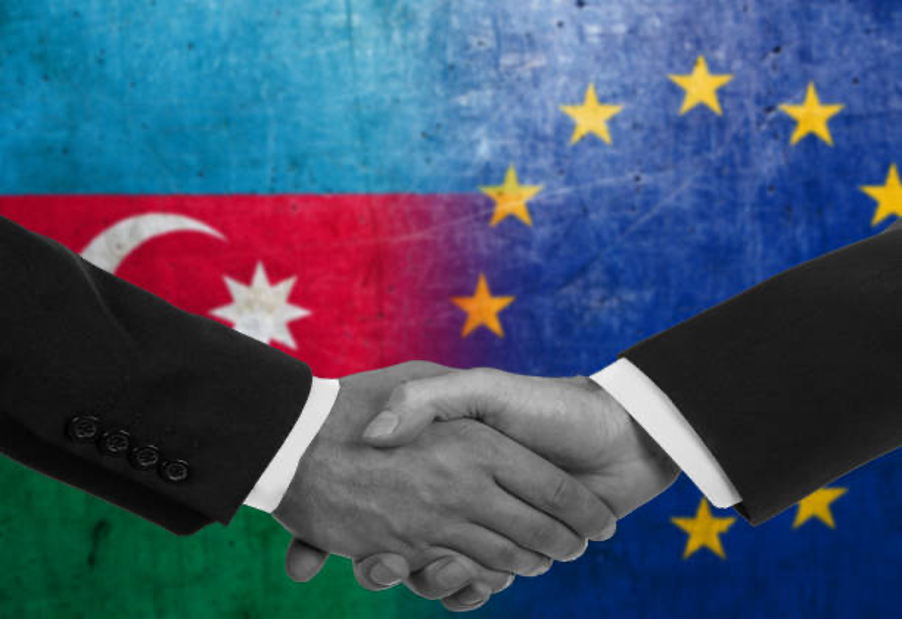
“Risky Business”: The EU’s gas deal with Azerbaijan; its challenges and implications
By Karina Meyer, 5 minutes. The Russian invasion of Ukraine and subsequent deterioration of relations between Russia and the European Union (EU) have ‘turned off the tap’ on one of the EU’s main gas sources. The EU has turned to new and old partners in search of supplementing its supply. Azerbaijan has become a strategic partner in that respect. The partnership, however, comes with many hurdles. What have been the main challenges in the partnership and how is the EU dealing with it?
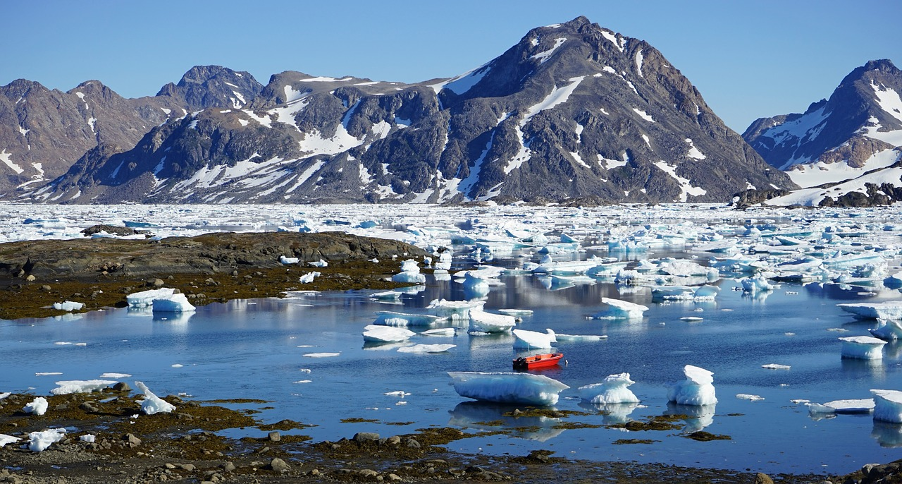
Greendlexit
Ignacio Lasheras Feijoo, 8 minutes. In 1982 the Greenlanders decided to leave the European Union. Today, it is part of the Overseas Countries and Territories associated with the EU. Considering the geopolitical context of the Artic, what does this partnership mean for Brussels?
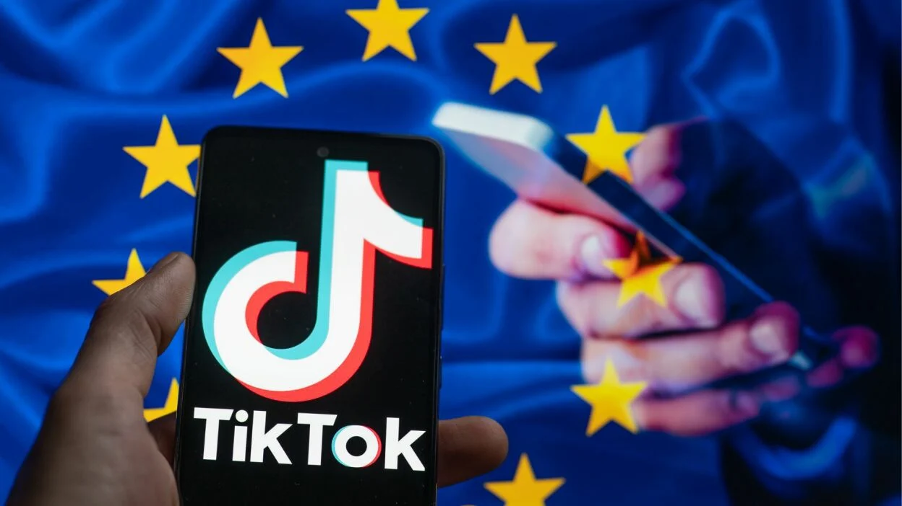
“Please delete this app!” - The EU ban on Tiktok and controversial opinions.
By Sara Saccon, 6 minutes. As you may have heard in the past weeks, the European Commission and, following a domino effect, all the other main institutions of the EU, banned their staff from using one of the currently most popular social media: TikTok. The choice has been justified by citing cybersecurity concerns, but not everyone agrees. Learn more about what the ban on TikTok means for the EU and China by reading our article!
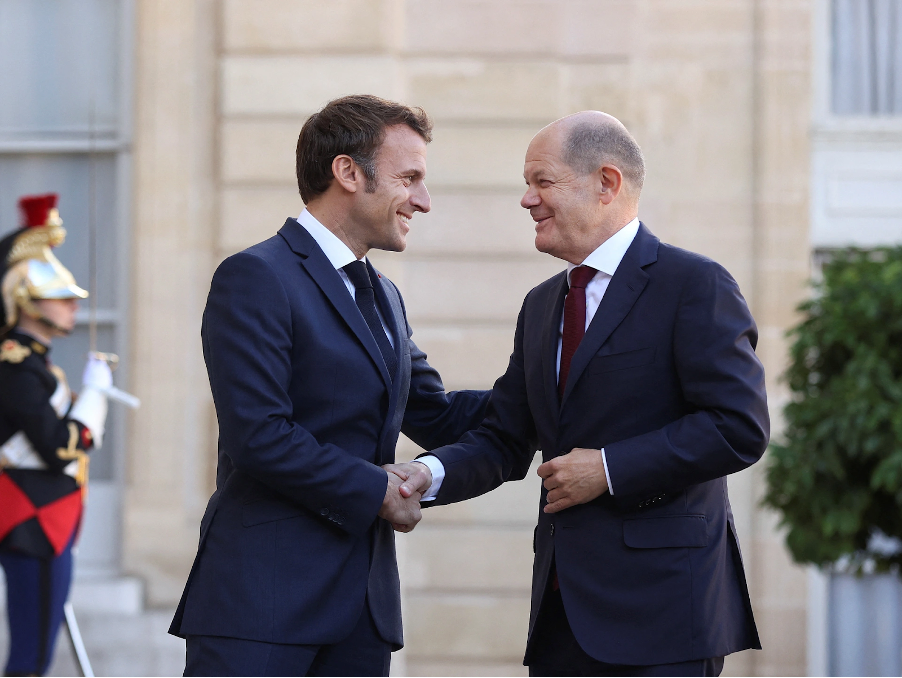
How are French-German relations influencing the EU at the moment?
By Petra Sîmpălean, 6 min. The Franco-German partnership has been one of the defining aspects of European integration in the last sixty years. It has helped to create a common market and fostered cooperation between the two countries, which have long been considered allies. But how exactly are these relationships affecting the European Union today?
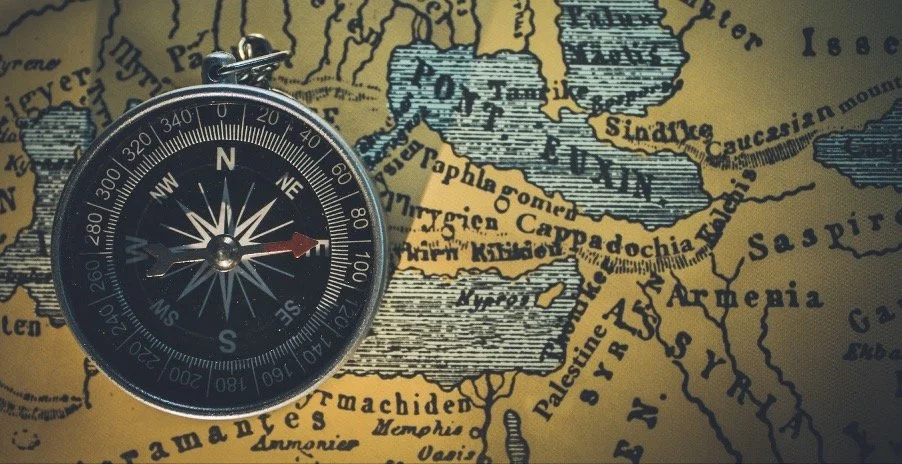
20 years of the European Neighborhood Policy - a look back.
By Nurbolat Kambekov, 5 minutes. Foreign policy has always been an integral part of the European political agenda as interactions with neighbors affected the well-being of the region as a whole. Today, this desire to upkeep a mutually beneficial relationship with neighboring countries is seen through a European Neighborhood Policy (ENP). First outlined in 2003 and once seen as a promising initiative for cooperation in the region, the ENP wasn’t able to live up to its potential, while geopolitical tensions across Europe rose. Is there still hope for the ENP in the future?
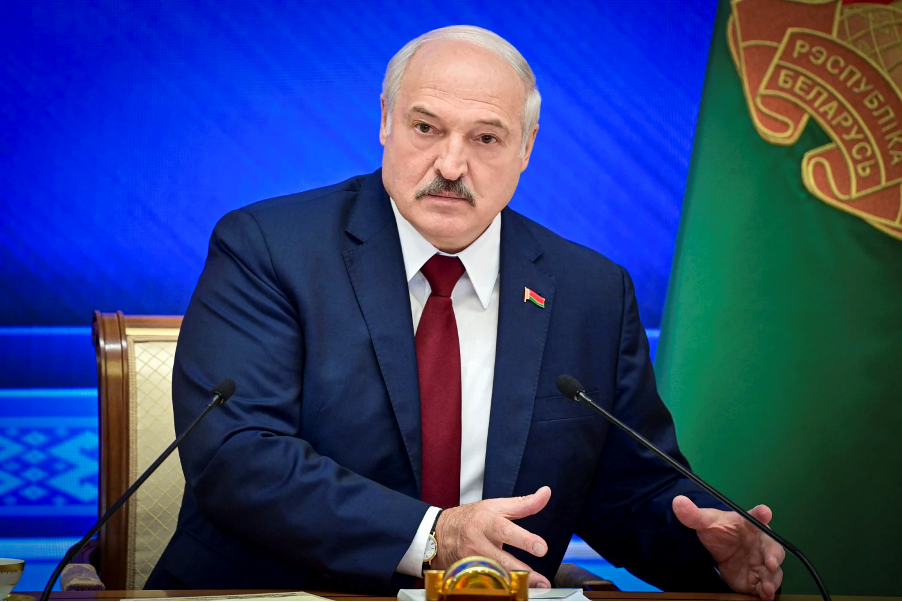
Belarus and the EU – A “toxic” relationship?
By Sara Saccon, 6 minutes. Belarusian youth have never known any president other than Lukashenko. The dictator has been in power for nearly 30 years, and international organizations continue to denounce his regime's repeated human rights violations. So how does the European Union interact with Lukashenko? How can one summarize the kind of relationship that exists between Brussels and Minsk? By reviewing the European approach to the Belarusian regime, this article aims to provide a better understanding of the complicated system of the external relations of the EU.
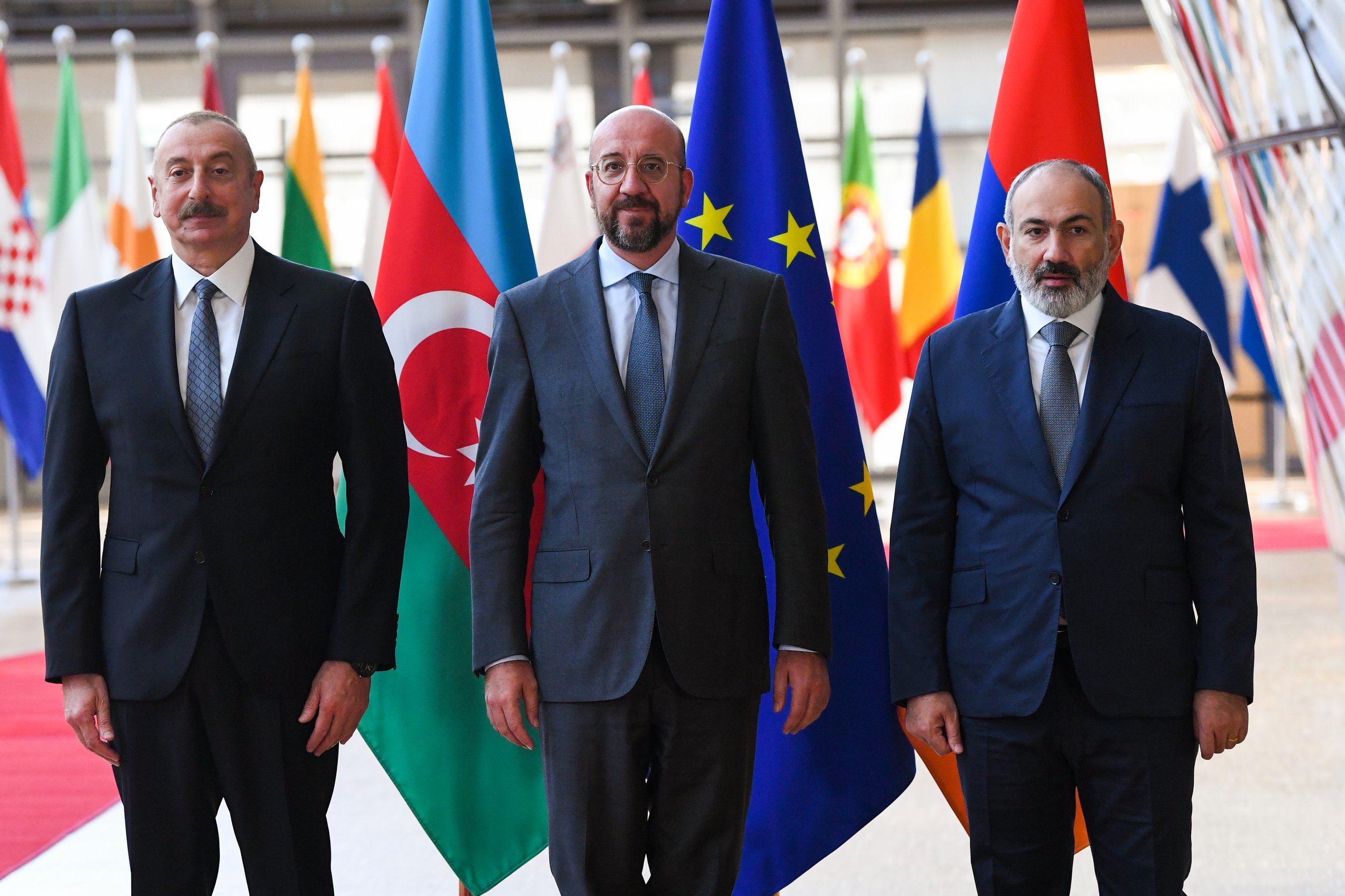
The Forgotten War: What is the EU Doing for Nagorno-Karabakh?
By Sara Saccon, 7 minutes. If you can’t point out on a map where exactly Nagorno Karabakh is located, don't worry: most Europeans would most likely have the same difficulty as you. That is why we could call the conflict that has existed in the region for 30 years 'the forgotten war'. This article will zoom in on this delicate situation and try to understand what the EU is doing for Nagorno-Karabakh now.
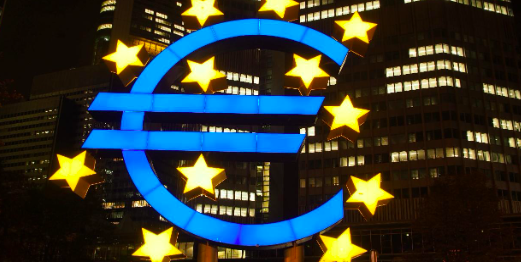
What is Inflation and How Does the EU Plan to Minimise It?
By Eleonora Pizzini and Petra Simpalean, 9 minutes. You’ve probably heard that prices are increasing exponentially all throughout Europe and the rest of the world. But what is the EU planning to do about it? This article will explain what the European Central Bank is and its role within the EU. It will also give an overview of inflation, what it is, and what is being done to tackle it now.
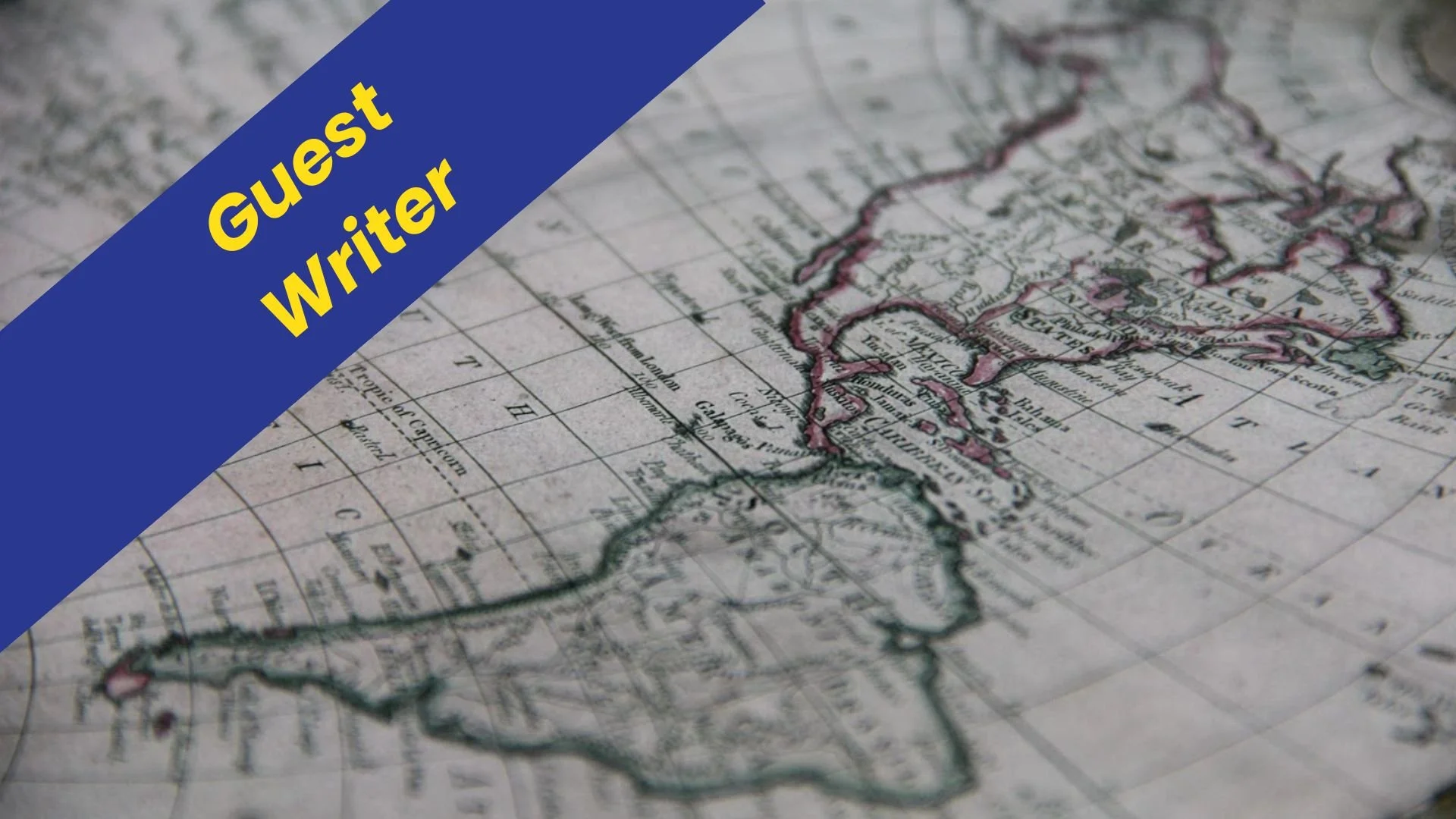
The future of EU-Latin America relations: A way between uncertainties and opportunities
By Clara Pastor Hernández, 8 minutes. The current geopolitical scenario has both presented challenges and opportunities for the European Union’s Foreign Policy. More particularly, the EU is currently looking for like-minded partners such as Latin America to enhance and renew its cooperation. The current ‘pink tide’ of governments in Latin America presents an optimistic scenario to strengthen the EU-LAC partnership. Notwithstanding, other geopolitical actors have been increasingly spreading its legitimacy and influence over the past decades.
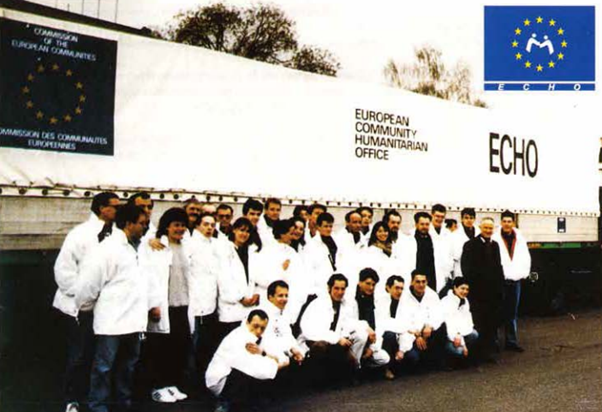
What is the EU doing for the world? Meet ECHO, one of the world’s largest humanitarian aid donors
By Aydın Clara Orberk, 7 minutes. ECHO stands for European Civil Protection and Humanitarian Aid Operations. It is one of the 34 Directorates-Generals of the European Commission and has approximately 400 staffers. Directorate-Generals or DGs are departments with responsibility for specific domains, not unlike national ministries. Most are headed by the European Commissioner responsible for the corresponding policy area - for instance, the CLIMA (Climate action) DG is currently headed by the European Commissioner for Climate Action, Franz Timmermans - and a Director-General, who manages day-to-day affairs and reports to the European Commissioner.
Close-up of the Energy Charter Treaty
By Aydın Clara Orberk, 9 minutes. The Energy Charter Treaty is not very well known, but it could well be the most decisive Treaty for the energy transition in the coming years. It has been greatly debated recently and notably alleged to seriously jeopardize Europe’s Fit for 55 climate neutrality project, which led to it being amended. What is the Energy Charter Treaty and why should you care? Read more to find out!
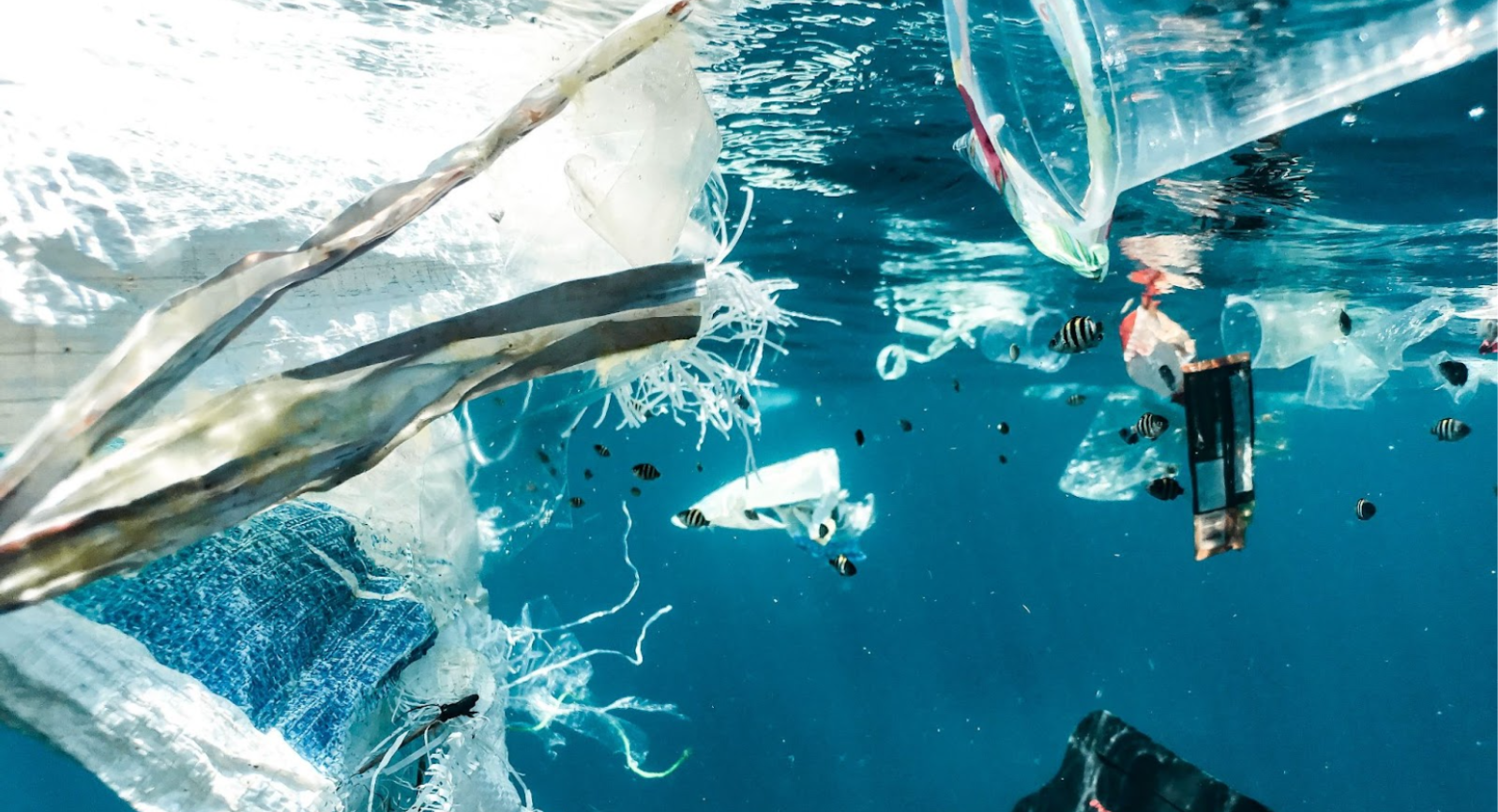
The Scourge of Plastic in the Ocean
By Jeanne Gallien, 7 minutes. During this summer, you may think twice before throwing your garbage into the sea. Star material in the 60s, the vision of plastic does not convince its consumers anymore of the ecological era. This article analyzes EU actions against plastic in the ocean in the last few years.
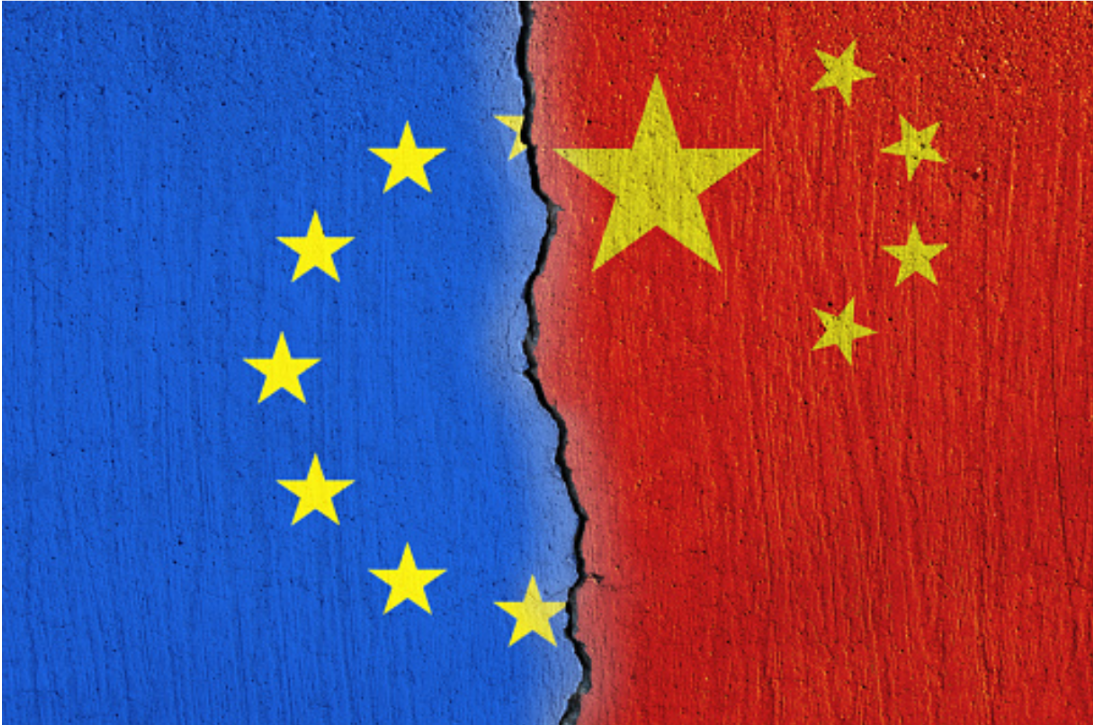
EU-China Relations Amid the War in Ukraine – A Dialogue of the Deaf
By Federico Durante, 12 minutes. EU-China relations were always a hot and interesting topic. With the current war in Ukraine, this relationship became even more complex, difficult and multi-layered. In this article, Federico explains the current situation, and reactions to war and proposes solutions to improve EU-China relations.
How the new Concordat maximised the powers of the Church
By Lucrezia Nicosia, 6 minutes. With the end of the fascist regime, Italy sought to modify the 1929 Lateran Pact by way of a new Concordat. This new agreement, instead of facilitating the separation of church and state, empowered the Church more than ever. Overall, this article seeks explore the issue of sexual abuse within the Church and the mechanisms that allowed victims of abuse to be silenced.
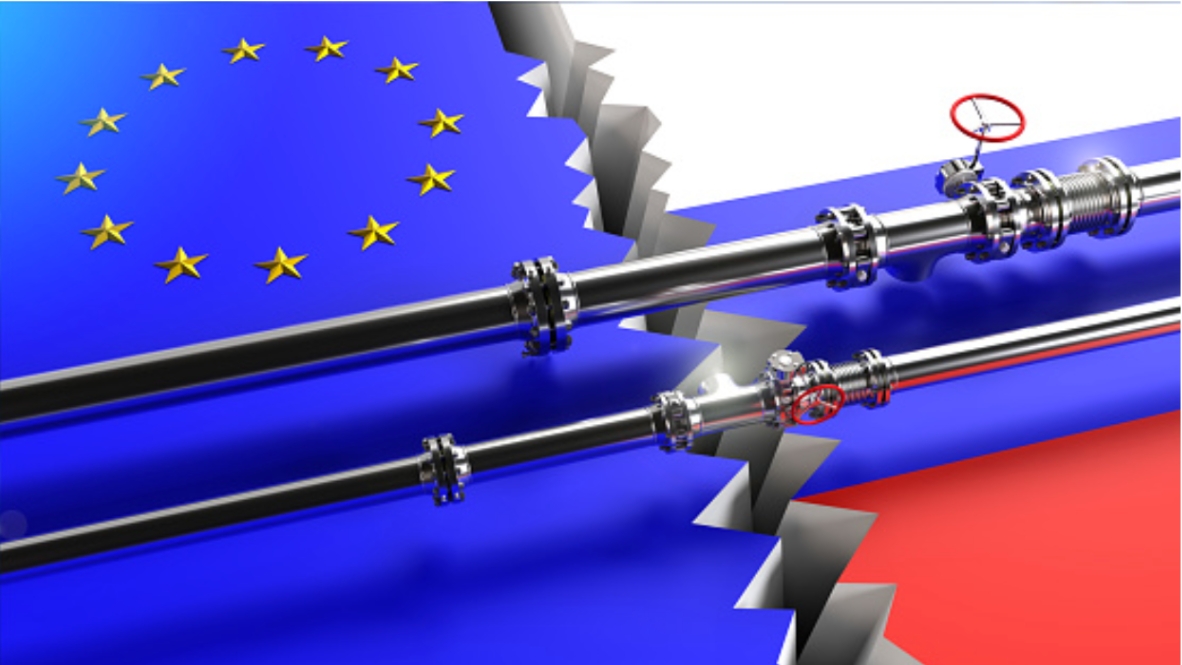
EU Energy Dependence on Russia
By Sofia Bertolaja, 5 minutes. European nations seek to eliminate their reliance on Russian fossil fuels in five years, and by the end of 2022, they hope to reduce their reliance on Russian gas by two-thirds. If Europe keeps its promises, Russia’s invasion of Ukraine might spark one of the most rapid energy shifts in history.